
How to Use Safe Human Foods as Dog Training Treats

Last Updated: November 5, 2026
Quick Summary
Safe human foods make excellent dog training treats because they are smelly, easy to break into tiny pieces, and more motivating than store-bought snacks. Use plain cooked chicken, salmon, eggs, cheese, blueberries, carrots, and green beans, always cut pea-sized and served without salt, oil, seasoning, or xylitol.
Keep treats to about 10 percent of your dog's daily calorie target.
Reward within one or two seconds of the behavior, marking the exact moment first.
Reserve jackpot rewards like cooked chicken and cheese for hard skills and breakthroughs.
Cut all rewards pea-sized and skip whole grapes, bones, and thick peanut butter dollops.
Cook protein fully, refrigerate perishables between sessions, and wash hands and pouch after training.
Table of Contents
Why Human Foods Make Great Dog Training Treats
A plain piece of cooked chicken can outperform a fancy biscuit when your dog is learning something new. That is the core idea behind using safe human foods as dog training treats: real food is smelly, easy to break into tiny pieces, and far more motivating than most store-bought snacks. At Five Local Dogs, we built our whole approach around that idea.
Training works best when the reward is worth working for. A dog that ignores kibble will often snap to attention for a sliver of cheese or a bit of salmon. The American Kennel Club's guide to training with treats makes the same point: high-value rewards speed up learning.
Below, we cover portions, prep, and how to keep rewards fresh in a training pouch, plus the safety risks that go beyond the obvious toxic foods.
Fruits Dogs Can Safely Eat During Training
Fruits give you low-calorie, high-value rewards that most dogs love. Serve them plain, washed, and cut small. Skip canned fruit in syrup and anything with added sugar.
Safe fruits for training include:
Blueberries - tiny, already bite-sized, and easy to toss
Apple slices - seedless and core-free
Watermelon - seedless chunks, rind removed
Bananas - small slices, good for higher-value moments
Frozen berries - great for teething puppies and hot days
Keep portions tiny. One blueberry or a quarter-inch slice of apple is plenty for a single rep.
Best Fruits for High-Value Rewards
Some fruits land harder than others. Banana and frozen berries tend to get the strongest reaction because they are soft and sweet. Use these for tough skills like recall. Save plainer fruits for easy reps.
Prepping Fruit for Tiny Training Portions
Prep matters more than people think. Cut fruit into pea-sized pieces before the session starts. Wet or sticky fruit can slow you down, so pat pieces dry with a paper towel. A small airtight container keeps cut fruit from turning brown between sessions.
Vegetables That Work as Low-Calorie Training Rewards
Vegetables are the workhorse of a training pouch. They are low in calories, so you can reward often without wrecking your dog's daily diet. The catch is that many dogs find plain veggies boring.
The veggies that work best are crunchy and slightly sweet:
Carrots - cut into thin coins or sticks
Green beans - plain, no salt
Bell peppers - red and yellow are sweeter than green
Pumpkin - plain canned or cooked, never the spiced pie filling
Zucchini - raw slices or lightly steamed
Lettuce - a light, low-value option for easy reps
A common mistake is serving veggies ice-cold from the fridge. Let them sit out a few minutes so the smell carries. Warm food smells stronger, and smell is what sells the reward.
Safe Proteins: Cooked Meat, Fish, and Eggs for Training
Protein is where training rewards get serious. Cooked chicken, lean meat, fish, and eggs are among the most palatable rewards you can offer. They are also the easiest to break into tiny portions.
Cook everything plain. No salt, no oil, no seasoning, no garlic or onion. Boil, bake, or poach, then cool and chop.
Safe protein options:
Cooked chicken - white or dark meat, skinless and boneless
Lean beef - small cooked pieces, fat trimmed
Salmon - cooked, bones removed
Cooked eggs - scrambled plain or hard-boiled and diced
Watch out: raw meat and raw fish carry bacteria risks for both dogs and the people handling the treats. Cook protein fully and wash your hands after every session.
Peanut Butter, Cheese, and Dairy in Moderation
Dairy and spreads are the "jackpot" rewards. They are rich, so a little goes a long way. Use them for the hardest skills and the biggest breakthroughs.
Peanut butter is a favorite for stuffing toys and luring. Check the label first: it must contain no xylitol, a sweetener that is toxic to dogs (the FDA). Many "low sugar" brands use it.
Cheese and yogurt work well in small amounts:
Cheese - a tiny cube of cheddar or string cheese
Plain yogurt - a dab on a spoon, no sugar or flavoring
Lactose-free yogurt - a good pick for dogs with sensitive stomachs
Some dogs handle dairy poorly. If you see loose stools after a session, cut dairy out and stick to lean protein.
Grains and Plain Starches for Sensitive Stomachs
Grains are gentle, filling, and cheap. They suit dogs with sensitive stomachs who react badly to rich treats. The key word is plain.
Good options include:
Plain cooked pasta - small shapes, no sauce
Plain rice - white or brown, cooked soft
Plain oatmeal - no sugar or flavoring
These are lower-value rewards. That makes them a smart choice for easy repetitions or for dogs who need to watch their weight. Pair a grain reward with a protein reward to keep your dog guessing.
The Benefits of Single Ingredient Dog Treats for Training
Single ingredient treats solve the biggest training problem: you always know exactly what your dog is eating. There are no fillers, no coatings, and no mystery additives to worry about. For a dog with allergies or a sensitive stomach, that clarity matters.
The benefits of single ingredient dog treats go beyond safety. A treat with one ingredient is easy to break into tiny pieces, and its smell stays strong and consistent bag after bag. That consistency is what makes training smoother.
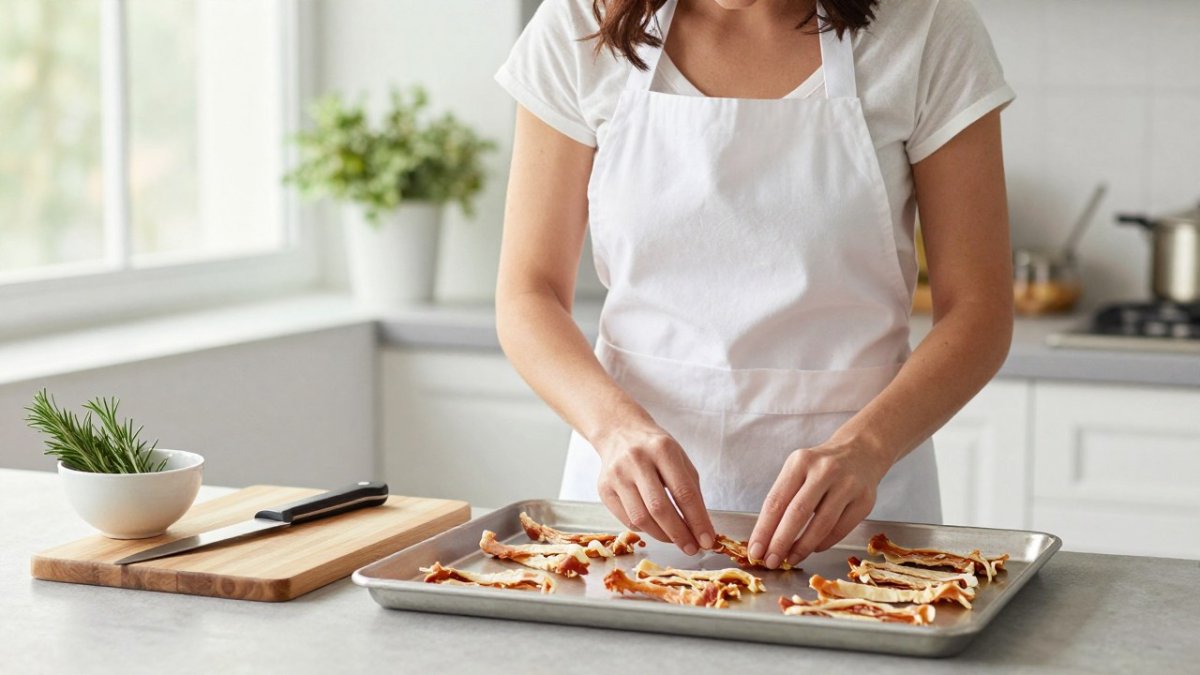
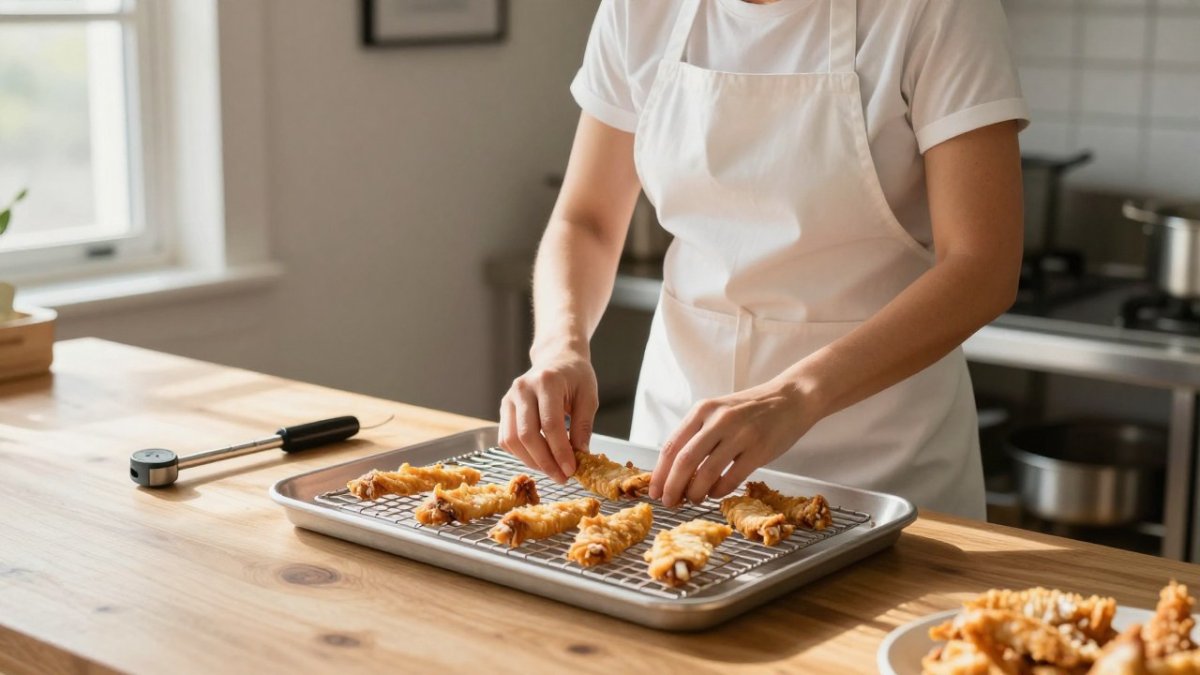
Five Local Dogs makes its dehydrated chicken treats with one ingredient: chicken. They contain no preservatives or coatings and are hand-sliced in small batches.
How to Train a Dog with Food Rewards: Portions, Timing, and Value
Training with food rewards comes down to three things: how much, when, and how good. Get those right and your dog learns faster while you keep treats inside a sane calorie budget. Here is the actual math and workflow.

Budget treats as a percentage of daily calories
Veterinary guidance commonly suggests keeping treats to a small share of a dog's daily calories. The practical version: find your dog's daily calorie target (your vet can give you a number based on weight, age, and activity), take 10 percent of it, and that is your treat allowance for the day.
A rough illustration of the math, not a feeding prescription: if a dog's daily target is 600 calories, the treat ceiling is about 60 calories. Cheese runs higher per piece than cooked chicken, which is why it works best as a breakthrough reward rather than an everyday one.
Count rewards per session, not per bag
A common pattern is that owners under-count because pieces are tiny. Ten reps in a short session at three pieces per rep adds up to 30 rewards, and those calories can exceed a small daily allowance quickly. Two fixes: cut pieces smaller (a quarter-inch cube is enough for most reps), and swap in low-calorie rewards like green beans or a single blueberry for easy repetitions so the high-value food lasts for the hard skills.
Watch out: if you train multiple sessions a day plus a walk plus a class, the treat calories stack fast. Track one full day of rewards once a month to see whether you are actually inside the 10 percent line.
Time the marker, not just the treat
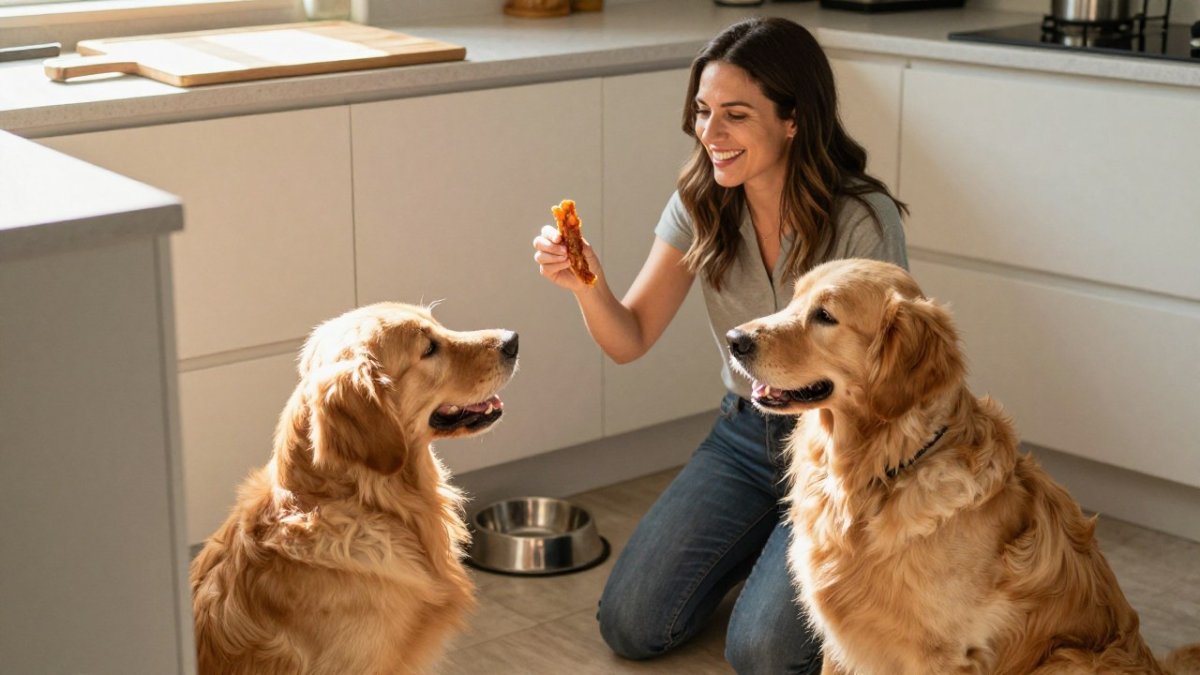
Reward within a second or two of the behavior. The cleanest way is to mark the exact moment with a clicker or a verbal marker like "yes," then deliver the food. The marker pins the behavior; the food pays for it. A late treat teaches the wrong lesson, and a treat delivered while the dog is already breaking position rewards the break.
Keep sessions short, around five minutes, and end on a win. For puppies, two- to three-minute sessions several times a day beat one long session, because attention spans are short and repetition builds the habit.
Match reward value to difficulty
Value is relative to the dog, not the price tag. Build a three-tier system:
Everyday tier - kibble, plain veggies, plain grains. Use for easy reps, known cues, and warm-ups.
Mid tier - fruit, plain cooked egg, small bits of lean protein. Use for new cues and proofing in low-distraction settings.
Jackpot tier - cooked chicken, salmon, cheese, a dab of peanut butter. Reserve for hard skills, first-time successes, recall, and breakthroughs.
A useful rule: if your dog will work for the everyday tier, do not spend the jackpot tier. Save the high-value food for the moments that need it, and the reward stays powerful.
Texture and size affect speed of reinforcement
Soft, pea-sized pieces are quick to deliver and easy to swallow, which keeps the session moving. Crunchy or sticky rewards slow you down and can leave crumbs in the pouch. Cut protein and cheese into small cubes ahead of time, pat wet pieces dry, and keep the pouch on your hip so your hand is already moving when you mark.
Reward Type | Best For | Portion Size | Value Level |
Veggies | Easy reps, frequent rewards | Pea-sized | Low |
Grains | Sensitive stomachs | Small pinch | Low |
Fruit | General training | One berry or small slice | Medium |
Cooked protein | Hard skills, recall | Pea-sized piece | High |
Cheese, peanut butter | Breakthroughs | Tiny dab | Highest |
For a deeper look at portions and weight, see our guide on managing dog weight with healthy snack portions. And if you are comparing options for your pouch, our buyer's guide to natural treats for training walks through what to look for.
Food Safety Risks Beyond Toxic Ingredients
Toxic foods get all the attention, but plenty of everyday risks hide in plain sight. A treat can be safe by ingredient and still cause problems. The fix is usually prep and storage, not avoidance.
Choking and size hazards
Round, firm, or sticky foods are the usual culprits. Whole grapes, large carrot chunks, thick dollops of peanut butter, and big cubes of cheese can lodge in the throat or be gulped without chewing. The training fix is the same as the portion fix: cut everything to pea-sized or smaller, and never hand out a whole grape or a full carrot stick as a reward. For dogs that gulp, hold the piece between two fingers so the dog has to nibble rather than inhale.
Watch out: bones are not a training treat. Cooked bones splinter, and even raw bones can crack teeth or cause a blockage. Keep them out of the pouch entirely.
Bacteria and cross-contamination
Raw meat and raw fish carry bacteria risks for both dogs and the people handling the treats (the FDA). Cook protein fully, cool it before it goes in the pouch, and wash your hands and the pouch after every session. Do not reuse a container that held raw meat for cut fruit without washing it first. Unwashed produce is the other common source; rinse fruit and vegetables before cutting.
Spoilage and storage
Cut treats sit in a pouch at room temperature, which is a warm, moist environment. The practical rule: keep perishable protein and dairy in the fridge between sessions, carry only what you will use in one session, and discard anything that has been out for hours. Soft fruit browns and ferments; pat it dry and use it the same day. A small airtight container in the fridge keeps cut pieces fresh between sessions, and a separate pouch compartment keeps wet and dry rewards from turning into mush.
Mold and trash
Spoiled food pulled from the trash is a real risk, especially for dogs that counter-surf. Moldy bread, spoiled dairy, and compost can cause vomiting and worse. Keep the trash secured and do not use "found" food as a reward, no matter how much the dog wants it.
Added ingredients
Read every label. Xylitol, garlic powder, onion powder, and salt are the common offenders in human foods, and they show up in peanut butter, broth, canned vegetables, and seasoned meats. Plain is the standard: no salt, no oil, no seasoning, no sweetener.
Allergies and medical restrictions
If your dog shows signs like itching, ear infections, or stomach upset after a new food, it may be an allergy. Our guide on signs of food allergies in dogs explains what to watch for and what to do next. Dogs with pancreatitis, diabetes, or kidney disease may need a different treat list entirely, so check with your vet before adding rich foods like cheese or peanut butter. For a full list of ingredients to avoid, read our dog treat ingredient safety guide.
Stock Your Training Pouch with Five Local Dogs
Training goes better when the reward is worth it. That is why we keep our treats simple: one ingredient, hand-sliced chicken, no preservatives, no coatings, made in small batches with chicken sourced from U.S. farms. You can break each piece into tiny training portions without losing the smell that gets your dog's attention.
If your dog is picky, has a sensitive stomach, or you just want to know exactly what is in the pouch, start with our single ingredient dehydrated chicken treats.
Get started with Five Local Dogs and make every training rep count.
Frequently Asked Questions
What human foods are safe for dogs to eat as training treats?
Cooked plain chicken, lean beef, salmon, and eggs are safe proteins. Fruits like blueberries, apple slices (no seeds), watermelon (no rind), and banana work well. Vegetables such as carrots, green beans, and bell peppers are low-calorie options. Plain yogurt, cheese in small amounts, and plain pasta or rice are also safe. Always avoid onions, grapes, chocolate, xylitol, and anything seasoned with garlic or salt.
How much human food can I give my dog during training?
Training treats should make up no more than 10 percent of your dog's daily calories. Your veterinarian can help you find your dog's daily calorie target. Cut treats into pea-sized pieces so you can reward frequently without overfeeding. Adjust your dog's regular meals slightly on heavy training days to keep portions balanced.
What are the benefits of single ingredient dog treats for training?
Single ingredient dog treats like plain dehydrated chicken make it easy to track exactly what your dog eats, which helps with calorie budgeting and allergy management. Without preservatives or coatings, they contain only chicken, and they can be broken into small training pieces.
How do I choose the right size treat for dog training?
Aim for pieces no larger than a pea, about 1/4 inch across, so your dog can eat quickly and get back to training. Soft treats break apart easily; firm ones like carrots can be diced ahead of time. Match size to your dog: tiny breeds need lentil-sized pieces, while large dogs can handle slightly bigger bites. Smaller pieces also let you reward more often without exceeding daily calorie limits.
Comments