
Best Dog Treats for Picky Eaters: 7 Options That Work

Updated: Sep 16
Table of Contents
Why Picky Dogs Reject Treats (And What Actually Works)
When Pickiness Is a Medical Red Flag
The Sensory Science Behind Treat Acceptance
The Winning Approach for Selective Eaters
Quick Comparison: Top Treat Options for Selective Eaters
1. Freeze-Dried Protein Treats
2. Single-Ingredient Dehydrated Chicken Strips
3. High-Value Training Treats for Picky Dogs
4. Natural Food Toppers and Mix-Ins
5. Jerky Strips and Soft Chew Options
How to Entice a Picky Dog to Eat Treats
A Step-by-Step Transition Protocol
Texture and Temperature Optimization
Budget-Friendly DIY Treat Recipes
Positive Reinforcement and Patience
Frequently Asked Questions
Last Updated: September 4, 2026
A picky eater can turn treat time into a standoff. The best dog treats for picky eaters share one trait: an aroma and texture that a dog's nose and mouth find genuinely irresistible. At Five Local Dogs, we see this daily with our small-batch dehydrated chicken, and the difference comes down to how the treat is made rather than marketing promises.
Most commercial treats rely on artificial flavors to mask low-quality fillers. A discerning dog can tell. The fix is simple: offer something with strong natural scent, satisfying texture, and a short ingredient list. Below, we break down treat categories that work for selective eaters and the strategies that turn a reluctant sniffer into an enthusiastic participant.
Why Picky Dogs Reject Treats (And What Actually Works)
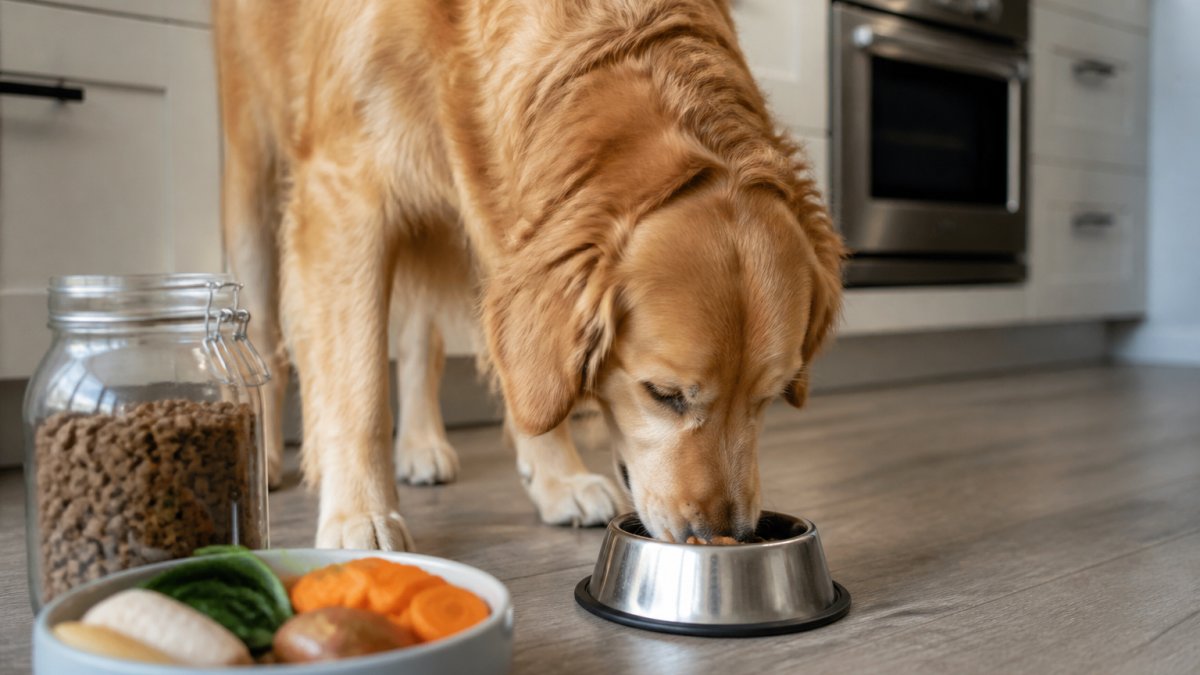
A dog's refusal to eat a treat is rarely about stubbornness. Smell drives canine appetite far more than taste. If a treat lacks strong aroma, many dogs do not register it as food. Texture also matters; some dogs prefer soft and chewy options while others want a satisfying crunch.
When Pickiness Is a Medical Red Flag
A sudden change in eating habits is a signal to consult your veterinarian (aaha.org). Dental disease, gastrointestinal upset, arthritis, and reduced sense of smell in older dogs can all suppress appetite. If your dog shows lethargy, weight loss, vomiting, or diarrhea, a veterinary exam is essential. Your vet can rule out underlying conditions and recommend specific treat textures or ingredients suited to your dog's health status.
The Sensory Science Behind Treat Acceptance
For selective eaters without medical issues, understanding sensory mechanisms helps you choose treats strategically. Freeze-dried and dehydrated treats release more volatile compounds than kibble or baked treats, which is why they often succeed. The aroma is chemically more complex, triggering a stronger neurological response.
Texture affects acceptance through tactile feedback. Some dogs are texture-sensitive and reject treats that feel wrong. Observing what your dog gravitates toward during play (rubber toys versus plush) predicts their treat texture preference. Combining high-value aroma with the right texture is the fastest path to acceptance.
The Winning Approach for Selective Eaters
For dogs with no underlying health issues, combine high-value rewards with patience and sensory optimization. Offering a tiny piece of a strongly scented, protein-rich treat, often warmed slightly, frequently breaks the cycle where bland snacks fail.
Quick Comparison: Top Treat Options for Selective Eaters
Not all treats are created equal when your dog turns up their nose. This quick guide compares the main categories that succeed with picky dogs, so you can match the option to your dog's specific preference.
Treat Type | Texture | Why It Works | Best For |
Freeze-Dried Protein | Crumbly, airy | Intense aroma, pure taste | High-value rewards, training |
Dehydrated Chicken Strips | Crunchy, dense | Natural scent, single ingredient | Daily treats, sensitive stomachs |
Soft Training Bites | Soft and chewy | Easy to break, mild smell | Quick rewards during walks |
Moist, mix-in | Boosts appeal of regular kibble | Mealtime for reluctant eaters | |
Jerky Strips | Chewy, tough | Long-lasting, strong flavor | Chewing satisfaction, bonding |
1. Freeze-Dried Protein Treats
Freeze-dried treats are often the first thing a picky dog will accept (peer-reviewed research). The process removes moisture at low temperatures, preserving natural aroma and flavor better than high-heat baking. The result smells strongly of meat, which is what a selective eater seeks. Beef liver, chicken breast, or salmon are common choices most dogs find appealing.
These treats are excellent for training because they are lightweight and easy to break into tiny pieces. Look for products with a single ingredient and no added preservatives. The texture is typically crumbly; if your dog prefers something to chew, consider other options.

2. Single-Ingredient Dehydrated Chicken Strips
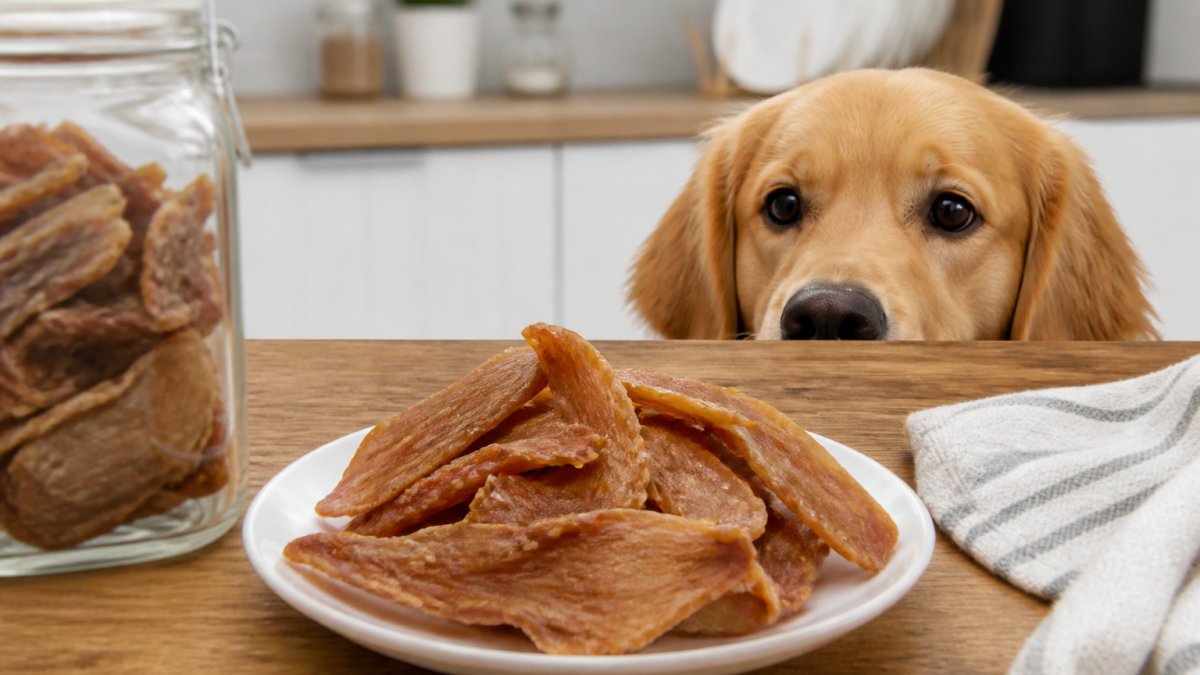
For dogs with sensitive stomachs or those who reject heavily processed snacks, single-ingredient dehydrated chicken strips are reliable. These contain no fillers, artificial coatings, or synthetic additives. The dehydration concentrates natural flavor, creating a crunchy strip many dogs find more appealing than kibble.
A limited ingredient diet is recommended for dogs with food allergies or digestive issues (aafco.org). Hand-sliced, small-batch treats offer higher quality and consistency than mass-produced alternatives. Five Local Dogs sources chicken from U.S. farms and dehydrates it without preservatives, which is why we see strong success with picky eaters.
Pro Tip Warm a dehydrated chicken strip in your hands for ten seconds before offering it. The heat releases more of the natural aroma, which is often the extra nudge a picky dog needs to take the first bite.
3. High-Value Training Treats for Picky Dogs
Training a picky dog requires rewards worth more than environmental distractions. High-value training treats are typically small, soft, and intensely flavorful. Dehydrated liver training bites deliver a strong taste hit in a quick-to-eat piece.
Size matters as much as flavor. Look for treats you can break into pea-sized pieces for rapid repetition. Reserve high-value options for training sessions so they retain special status in your dog's mind.
4. Natural Food Toppers and Mix-Ins
Some picky dogs are simply bored with regular meals. Natural food toppers transform kibble into something more exciting. These come as dehydrated meat crumbles, freeze-dried chunks, or cooked whole foods you sprinkle over dinner. The added aroma can encourage reluctant eaters to clean their bowl.
Food toppers manage selective appetite, especially for underweight dogs. Look for whole-food ingredients like chicken, beef, or sweet potato, without added salt or sugar. Crumble a dehydrated chicken strip over kibble to add moisture and potent scent.
5. Jerky Strips and Soft Chew Options
Jerky strips and soft chew options provide flavor and satisfaction for dogs that enjoy longer chewing. The dense, chewy texture is rewarding and appeals to dogs that reject crunchy biscuits.
When selecting jerky, check the ingredient list. Many commercial products contain added sugars or salt. Choose single-protein jerky with no additives. Softer textures suit older dogs or those with dental issues.
How to Entice a Picky Dog to Eat Treats
Getting a picky dog to accept a new treat is about changing how you present it and being patient. A dog that has learned to reject treats needs time to understand a new offering is safe and delicious.
A Step-by-Step Transition Protocol
A common mistake is switching treats abruptly. A more effective approach follows a structured transition:
Days 1-2: Scent introduction. Place the new treat near your dog's food bowl or sleeping area without offering it directly. Let your dog investigate at their own pace. This reduces novelty anxiety.
Days 3-4: Tiny mixed portions. If your dog currently eats a specific treat, crumble or break both the old and new treat into small pieces. Mix one part new treat with three parts old treat in a small pile. Offer this blend at a time when your dog's appetite is naturally higher, such as after exercise. Do not make a fuss if they reject it; simply remove it after a few minutes.
Days 5-7: Increase new treat ratio. Gradually shift the ratio to one part old treat and three parts new treat. Continue offering at the same time of day. Patience is critical; some dogs need a full week or more.
Days 8+: Full transition. Once your dog consistently accepts the mixed blend, offer the new treat alone. If rejection occurs at any stage, return to the previous ratio for another 2-3 days before advancing.
This method reduces digestive upset and gives your dog's brain time to form a positive association with the new treat.
Texture and Temperature Optimization
The sensory science of dog treats points to two factors you control: texture and temperature. Aroma is the primary driver of interest, and you can amplify it by warming a treat slightly. Just a few seconds in your hands or a brief moment in a microwave (5-10 seconds for small treats) can release volatile compounds that make the treat smell fresher and more appetizing. Texture is more individual. Some dogs prefer the give of a soft and chewy treat, while others are drawn to the snap of a crunchy one. Observe what your dog chooses to chew on during play, such as rubber toys versus plush ones, to predict their texture preference. Offering both a soft and a crunchy option side by side lets your dog communicate their preference clearly.
Budget-Friendly DIY Treat Recipes
High-value commercial treats can become expensive. Simple homemade alternatives offer comparable appeal at a fraction of the cost and give you complete control over ingredients.
Dehydrated chicken strips: Slice boneless, skinless chicken breasts into quarter-inch strips. Bake at 180°F for 4-6 hours until completely dry. Store in an airtight container for up to two weeks.
Peanut butter training bites: Mix one cup natural peanut butter (xylitol-free) with one-half cup rolled oats and one-quarter cup honey. Roll into pea-sized balls and freeze for two hours. Verify your peanut butter contains no xylitol, which is toxic to dogs.
Sweet potato chews: Slice sweet potatoes lengthwise into quarter-inch strips. Bake at 250°F for 2-3 hours until completely dried. These are naturally sweet and appeal to many picky eaters. Store in an airtight container for up to one week.
DIY treats work best when introduced using the transition protocol above. Many dogs that reject commercial treats accept homemade versions because of fresher aroma and lack of preservatives.
Positive Reinforcement and Patience
When your dog takes a bite of a new treat, offer enthusiastic praise to create a positive association. For persistent cases, consult your veterinarian to rule out health issues. Many owners find that a high-quality, single-ingredient option combined with patient introduction and sensory optimization resolves the standoff within one to two weeks.
Frequently Asked Questions
What treats are good for picky dogs?
The best dog treats for picky eaters are single-ingredient, high-palatability options like freeze-dried chicken, dehydrated jerky strips, and natural protein-rich chews. These work because they offer intense aroma and simple flavor profiles without fillers or artificial additives that turn selective eaters away. Look for treats with minimal processing, no preservatives, and recognizable ingredients your dog's stomach can handle.
Are single-ingredient treats better for picky dogs?
Yes. Single-ingredient treats eliminate confusion and reduce digestive upset in dogs with sensitive stomachs. A picky eater often rejects multi-ingredient treats because of unfamiliar flavors or fillers. Pure, dehydrated protein—like chicken or beef—provides the palatability and digestibility picky dogs need. They're also easier to identify as a trigger if your dog has food allergies.
How do I transition my picky dog to new treats?
Introduce new treats gradually by mixing small pieces into meals or offering them alongside familiar foods your dog already enjoys. Start with a single piece to gauge interest, then increase frequency over 5-7 days. Picky eaters respond better to low-pressure exposure. If your dog refuses after a few gentle attempts, try a different texture or protein source rather than forcing acceptance.
What should I look for on a treat label to ensure quality?
Check for human-grade or food-grade sourcing, no artificial preservatives, minimal ingredients (ideally three or fewer), and clear origin statements. Avoid treats with fillers, by-products, artificial flavors, or chemical preservatives. For dogs with sensitive stomachs, confirm the treat is made without corn, wheat, or soy unless your vet recommends those ingredients.
SHOP
This article was written using GrandRanker

Comments