
Signs of Artificial Preservatives in Dog Treats

Table of Contents
Why Artificial Preservatives Matter in Dog Treats
Common Synthetic Preservatives Found in Dog Treats
BHA and BHT in Dog Treats
Ethoxyquin and Other Chemical Preservatives
How to Read Dog Treat Labels for Preservatives
Step 1: Locate the Ingredient List and Read the Order
Step 2: Identify Preservative Names and Their Label Variants
Step 3: Watch for Compound Ingredients That Hide Preservatives
Step 4: Handle Vague Wording Like "Preservatives" or "Natural Flavor"
Step 5: Check for Artificial Colors and Additives
A Quick Label-Reading Workflow
Natural Preservatives in Dog Treats as Safer Alternatives
Single-Ingredient Dog Treats: The Simplest Solution
Physical and Behavioral Signs Your Dog May React to Preservatives
What to Do If You Suspect Artificial Preservatives in Your Dog's Treats
Step 1: Stop the Current Treat
Step 2: Switch to a Known-Safe Option
Step 3: Monitor Closely and Log What You See
Step 4: Separate Established Risks from Uncertain Claims
Step 5: Contact the Treat Manufacturer
Step 6: Read the Label Carefully and Choose Alternatives
Step 7: Decide Whether to Involve Your Veterinarian
Step 8: Store Preservative-Free Treats Correctly
Conclusion
Frequently Asked Questions
Last Updated: October 15, 2026
Why Artificial Preservatives Matter in Dog Treats
Signs of artificial preservatives in dog treats matter because what you feed your dog affects their health, energy, and digestion. Many dog owners don't realize that mass-produced treats sitting on shelves for months rely on synthetic chemicals to stay fresh.
Artificial preservatives extend shelf life by preventing oxidation and spoilage. But they come with a cost. Some dogs show digestive upset, skin problems, or behavioral changes after eating treats with synthetic additives. Others seem fine on the surface but may be accumulating exposure over time.
The good news? You can learn to spot these preservatives by reading labels carefully. Understanding what you're looking for takes just a few minutes, and it puts real power in your hands as a pet owner.

Common Synthetic Preservatives Found in Dog Treats
Synthetic preservatives come in several forms. The most common ones show up on ingredient lists under specific chemical names. Knowing these names is your first defense against hidden additives.
What makes them work: Synthetic preservatives stop fat from breaking down through oxidation. They keep treats from going rancid on shelves for extended periods. This matters to manufacturers because it means longer shelf life, lower waste, and higher profit margins.
Why they're used so widely:
BHA and BHT in Dog Treats
BHA (butylated hydroxyanisole) and BHT (butylated hydroxytoluene) are two of the most common synthetic preservatives in pet food and treats. Both work by preventing fat oxidation.
BHA and BHT appear on ingredient lists by their full chemical names or abbreviations. They're inexpensive and highly effective, which is why they show up in so many commercial dog treats. Some dogs tolerate them without visible reaction. Others develop digestive upset, skin irritation, or increased thirst within days of eating treats containing these compounds.
The key concern is long-term exposure. Dogs eating treats with BHA or BHT multiple times daily are ingesting these chemicals consistently. While regulatory agencies set safety limits, the cumulative effect over a dog's lifetime remains a valid concern for health-conscious owners.
Ethoxyquin and Other Chemical Preservatives
Ethoxyquin is an antioxidant preservative used in some dog treats and dry dog foods. It was originally developed as a rubber stabilizer and later approved for pet food use.
Ethoxyquin works similarly to BHA and BHT but is sometimes used at lower concentrations. It appears on labels under its full chemical name. Unlike BHA and BHT, ethoxyquin is less commonly discussed in pet owner communities, which means many owners don't recognize it when they see it on ingredient lists.
Other synthetic preservatives include:
Sodium nitrite and sodium nitrate (used in some meat-based treats)
Propylene glycol (a humectant that also acts as a preservative)
Potassium sorbate (used in some softer treats)
Calcium propionate (common in grain-based treats)
Each one serves a specific purpose in extending shelf life or preventing mold growth. Each one is also something many owners prefer to avoid if they have the choice.
How to Read Dog Treat Labels for Preservatives
Learning to read treat labels is straightforward once you know what to look for. Most dog owners can master this skill in under five minutes. The trick is knowing that preservatives can appear in three places: as a standalone ingredient, buried inside a compound ingredient, or hidden behind a catch-all word like "preservatives."
The ingredient list on any dog treat package tells you exactly what's inside. Ingredients are listed by weight, from most to least. That ordering rule is the single most useful tool you have, because it tells you how much of a preservative your dog is actually getting per treat.
Step 1: Locate the Ingredient List and Read the Order
Find the ingredient list on the back or side of the treat package. It's usually printed in small text below the product name and nutrition facts panel.
Read the full list from top to bottom. Don't stop after the first few ingredients. Preservatives sometimes hide lower on the list, but they're still there. Take a photo of the label with your phone if you want to research it later at home.
Here's the math that matters: if a preservative appears in the first five ingredients, your dog is getting a meaningful dose with each treat. If it appears in the last three, the amount is small by weight but still present. A treat whose first ingredient is chicken and whose last ingredient is BHA is very different from one where BHA sits at position three.
Step 2: Identify Preservative Names and Their Label Variants
Look for these specific chemical names and their abbreviations. Treat labels use several naming styles, so scan for all of them:
BHA (butylated hydroxyanisole)
BHT (butylated hydroxytoluene)
Ethoxyquin
Sodium nitrite / sodium nitrate
Potassium sorbate
Calcium propionate
Propylene glycol
TBHQ (tertiary butylhydroquinone)
Citric acid (when listed as a preservative rather than a flavoring)
Some labels use the abbreviation only. Others spell out the full chemical name. A few use both, like "BHA (butylated hydroxyanisole)." Scan for both forms so you don't miss one.
Watch for the phrase "preserved with" followed by a list. That construction almost always signals a preservative system, whether synthetic or natural. "Preserved with BHA, BHT, and citric acid" tells you the manufacturer is using a synthetic antioxidant blend. "Preserved with mixed tocopherols" tells you the system is vitamin E based.
Step 3: Watch for Compound Ingredients That Hide Preservatives
This is the step most owners skip, and it's where preservatives hide most often. A compound ingredient is a named ingredient that itself contains sub-ingredients. When a label says "chicken meal" or "poultry fat," those ingredients may have been preserved before they arrived at the treat manufacturer, and the preservative may not be listed separately.
A common pattern is a treat whose ingredient list reads: "Chicken, chicken meal, glycerin, natural flavor, mixed tocopherols." The chicken meal could contain ethoxyquin added upstream, but the label only names the meal. This is legal under current labeling rules because the preservative was added to an ingredient, not to the finished treat.
How to handle it: when in doubt, choose single-ingredient treats where the ingredient list contains only one item: chicken, beef, or whatever the treat is made from. With one ingredient, there is no room for a hidden compound.
Step 4: Handle Vague Wording Like "Preservatives" or "Natural Flavor"
Some manufacturers use vague language like "preservatives" without naming them. If you see the word "preservatives" on the label but no specific name, contact the manufacturer and ask which preservative they use. Reputable companies answer this question directly.
The same applies to "natural flavor" and "artificial flavor." These terms can cover dozens of sub-ingredients. If a treat lists "chicken flavor" separately from chicken, you're looking at a product with added chemicals designed to make it taste more appealing. Real meat doesn't need "chicken flavor" added to it.
Step 5: Check for Artificial Colors and Additives
Artificial colors often appear alongside synthetic preservatives. Look for:
Red 40, Yellow 5, Yellow 6, Blue 1 (numbered color additives)
"Artificial color" or "color added"
FD&C dyes
Artificial colors serve no nutritional purpose. They're added purely for visual appeal to attract buyers, not to benefit your dog. Many dogs react to artificial colors the same way they react to synthetic preservatives: digestive upset, skin problems, or hyperactivity.
Pro Tip Check the ingredient list in good lighting or take a photo. Manufacturer text is often tiny. If you can't read it clearly in the store, you can't make an informed choice. Take the time to read it properly.
A Quick Label-Reading Workflow
Here's the whole process in five moves you can run in the aisle:
Find the ingredient list and read it top to bottom.
Scan for the preservative names and abbreviations above.
Check for compound ingredients like "meal" or "fat" that could hide a preservative.
Look for vague terms like "preservatives," "natural flavor," or "artificial flavor."
If anything is unclear, put the bag down and pick a single-ingredient option instead.
That workflow takes about two minutes per product once you've done it a few times. It's the difference between guessing and knowing what's in the bag.
Natural Preservatives in Dog Treats as Safer Alternatives
Natural preservatives work differently than synthetic ones. Instead of stopping oxidation chemically, they use antioxidants that occur naturally in plants and vitamins.
Mixed tocopherols (a form of vitamin E) is the most common natural preservative. It prevents fat from going rancid through antioxidant action. Mixed tocopherols appear on quality treat labels and keep treats fresh for reasonable periods without synthetic chemicals.
Rosemary extract is another natural preservative. It contains powerful antioxidants that slow oxidation. Treats preserved with rosemary extract stay fresh longer than those with no preservative, but not as long as those with synthetic options.
Other natural preservation methods include:
Vitamin C (ascorbic acid)
Vitamin E (tocopherols)
Citric acid
Ascorbyl palmitate
Natural preservatives keep treats fresh for weeks to a few months, depending on storage conditions. They won't match the shelf stability of synthetic preservatives, but they're sufficient for treats stored in cool, dry places or kept in the refrigerator.
The trade-off is real: treats with natural preservatives cost more and don't last as long on store shelves. But for dogs with sensitive stomachs or owners concerned about long-term chemical exposure, this trade-off is worth it.
Single-Ingredient Dog Treats: The Simplest Solution
The simplest way to avoid artificial preservatives is to choose treats with only one ingredient. Single-ingredient dog treats contain no preservatives, no artificial colors, and no mystery compounds.
A single-ingredient treat might be:
Dehydrated chicken
Dried sweet potato
Roasted turkey
Air-dried salmon
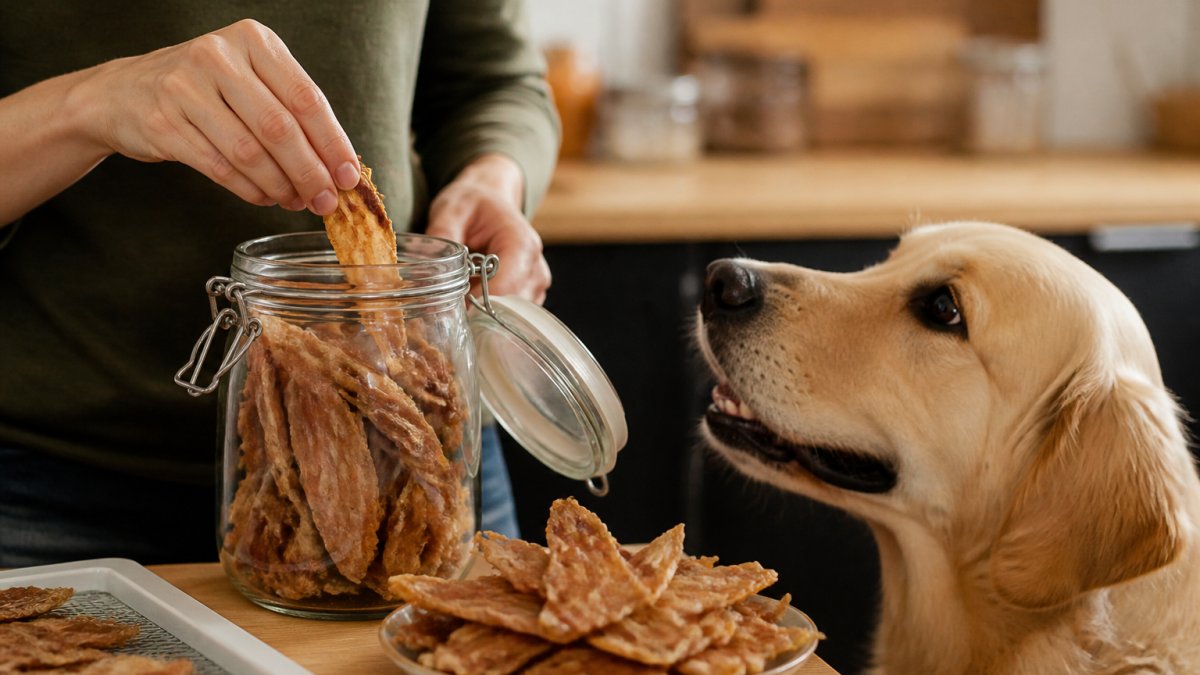
When a treat contains only one ingredient, there's nothing to hide. You know exactly what your dog is eating. At Five Local Dogs, we make single-ingredient dehydrated chicken treats because we believe simplicity is the best approach to your dog's health.
Single-ingredient treats do require more careful storage. They spoil faster than treats with preservatives because nothing stops oxidation or mold growth. Store them in airtight containers in a cool, dry place. Many owners keep single-ingredient treats in the refrigerator or freezer to extend freshness.
The upside? Your dog gets pure nutrition with zero artificial additives. No synthetic chemicals. No mystery ingredients. Just the treat itself.
Key Takeaway Single-ingredient treats eliminate the preservative question entirely. If it's just chicken, there's nothing else to worry about.
Physical and Behavioral Signs Your Dog May React to Preservatives
Some dogs show clear signs when they eat treats with artificial preservatives. Others show subtle changes you might miss if you're not paying attention.
Digestive signs often appear first:
Loose stools or diarrhea within hours of eating a treat
Increased gas or bloating
Vomiting
Loss of appetite or picky eating
Skin and coat changes develop over days or weeks:
Itching or excessive scratching
Red, inflamed skin patches
Dry, flaky coat
Hair loss in spots
Ear infections or waxy buildup
Behavioral changes can be harder to connect to diet:
Increased hyperactivity or restlessness
Aggression or irritability
Difficulty focusing or training
Lethargy or low energy
Changes in sleep patterns
Other signs include:
Increased thirst
Frequent urination
Bad breath
Excessive drooling
If your dog shows any of these signs after eating a particular treat, stop feeding it immediately. Switch to a different option and monitor your dog for improvement.
Keep a simple log of what treats you feed and any reactions you notice. This helps you identify patterns. Some dogs react to specific preservatives but tolerate others. Tracking what you feed makes it easier to pinpoint the culprit.
Watch Out If your dog has chronic digestive issues or skin problems, artificial preservatives could be a contributing factor.
What to Do If You Suspect Artificial Preservatives in Your Dog's Treats
If you suspect your dog is reacting to artificial preservatives, take action systematically. Don't guess or make random changes. The goal is to figure out whether the treat is actually the problem, and if so, which ingredient is responsible.
Step 1: Stop the Current Treat
Remove it from your dog's diet immediately. Don't give it again while you investigate. This is the single most important step, because it isolates the variable. If you keep feeding the treat while you research, you can't tell whether any change in your dog is from the treat or from something else.
Step 2: Switch to a Known-Safe Option
Choose a single-ingredient treat or one with only natural preservatives. Give your dog time to recover from any reaction.
Step 3: Monitor Closely and Log What You See
Watch for improvement in digestion, skin, energy, or behavior. Write down what you observe. This creates a clear before-and-after picture.
Keep a simple log of what treats you feed and any reactions you notice. This helps you identify patterns. Some dogs react to specific preservatives but tolerate others. Tracking what you feed makes it easier to pinpoint the culprit.
Step 4: Separate Established Risks from Uncertain Claims
Not every reaction is a preservative reaction, and not every preservative concern is equally well supported. It helps to sort what you're seeing into three buckets:
Established reactions. Some dogs have genuine food sensitivities that show up as digestive upset, itching, or ear issues. These are well documented and often tied to a specific protein or ingredient rather than a preservative.
Plausible but unproven links. Some owners report behavioral changes, hyperactivity, or coat problems after switching treats. These reports are common but hard to confirm, because many things change at once when you switch a diet.
Uncertain claims. Some sources make broad statements about long-term harm from preservatives without citing specific evidence. Treat those claims with appropriate caution.
If your dog's signs are mild and resolve after you remove the treat, you likely have your answer. If they persist, the treat may not be the cause.
Step 5: Contact the Treat Manufacturer
If you want to know exactly what preservative was in the treat, call or email the company. Ask for the specific preservative name, not just whether the product "contains preservatives." Reputable manufacturers answer this question directly. If a company won't tell you, that itself is useful information.
Step 6: Read the Label Carefully and Choose Alternatives
Once you know which preservative caused the problem, you can avoid it in future treats. Learn to spot it on ingredient lists, including the abbreviation and full-name variants. Look for single-ingredient options or treats preserved with mixed tocopherols or rosemary extract.
Step 7: Decide Whether to Involve Your Veterinarian
You don't need a vet visit for every mild reaction. But you should call your veterinarian if any of these apply:
Vomiting or diarrhea lasts more than 24 hours
Your dog stops eating or drinking
You see blood in the stool or vomit
Your dog seems lethargic, disoriented, or in pain
Signs get worse instead of better after you remove the treat
For mild, short-lived signs, a call to the vet's office is often enough to decide whether an exam is needed. Bring your treat log with you if you do go in. It gives your vet concrete information instead of a vague description.
Step 8: Store Preservative-Free Treats Correctly
If you switch to treats without synthetic preservatives, storage matters more. Preservative-free treats spoil faster because nothing stops oxidation or mold growth. Store them in airtight containers in a cool, dry place. Many owners keep them in the refrigerator or freezer to extend freshness. Check expiration dates and use them within the window on the package.
The trade-off is real: preservative-free treats don't last as long on store shelves. But for dogs with sensitive stomachs or owners concerned about long-term chemical exposure, this trade-off is worth it.
If your dog has a diagnosed food allergy or sensitive stomach, start with the most limited ingredient options. Single-ingredient treats eliminate variables and reduce the risk of triggering a reaction.
Watch Out If your dog has chronic digestive issues or skin problems, artificial preservatives could be a contributing factor, but they are not the only possible cause. If it doesn't, work with your veterinarian to look at other causes.
Best For Dogs with sensitive stomachs, dogs with diagnosed food allergies, and dogs showing signs of preservative sensitivity all benefit from single-ingredient treats with no artificial additives.
Conclusion
Learning to spot signs of artificial preservatives in dog treats puts you in control of what your dog eats. You now know which preservatives to avoid, how to read labels, and what signs suggest your dog is reacting to synthetic additives. The simplest path forward is choosing single-ingredient treats or those preserved with natural alternatives like mixed tocopherols.
At Five Local Dogs, we make this choice easy. Our single-ingredient dehydrated chicken treats contain no artificial preservatives, no artificial colors, and no mystery additives. We hand-slice every batch from U.S.-sourced chicken and keep our production small to ensure freshness and consistency. Your dog deserves treats as wholesome as the care you give them every day. FDA guidance on pet food ingredients confirms that ingredient transparency matters. Shop Five Local Dogs and feel confident about every treat you give your dog.
Frequently Asked Questions
What are the most common artificial preservatives in dog treats?
BHA (butylated hydroxyanisole), BHT (butylated hydroxytoluene), and ethoxyquin are the most common synthetic preservatives found in commercial dog treats. These chemical preservatives retard oxidation and extend shelf life, but many dog owners prefer to avoid them due to health concerns. Mixed tocopherols (vitamin E) and rosemary extract are natural alternatives used by some manufacturers. Always check the ingredient label to identify which preservatives a treat contains.
How do I read a dog treat label to identify artificial preservatives?
Start by locating the ingredient list on the package. Ingredients are listed by weight in descending order. Look for specific preservative names like BHA, BHT, ethoxyquin, sodium nitrite, and BHT. Watch for vague terms like 'preservatives' without specification, which may hide synthetic additives. Check for artificial colors listed as numbered dyes (like Red 40 or Yellow 5). If you're unsure about an ingredient, research it or contact the manufacturer directly for clarification.
What signs might indicate my dog is reacting badly to artificial preservatives?
Dogs sensitive to artificial preservatives may experience digestive upset, including diarrhea or vomiting, within hours or days of eating the treat. Some dogs develop skin problems, itching, or inflammation. Behavioral changes like hyperactivity or lethargy can also occur. If your dog shows any of these signs after eating a new treat, stop feeding it immediately and consult your veterinarian.
Are natural preservatives in dog treats safer than artificial ones?
Natural preservatives like mixed tocopherols (derived from vitamin E) and rosemary extract work by slowing oxidation, similar to how synthetic preservatives function. They're generally considered safer for long-term ingestion and carry lower risk of adverse reactions. Single-ingredient treats with no added preservatives offer the safest option if your dog has sensitivities, though they require proper storage and faster consumption.
SHOP


Comments