
Simple Ingredient Dog Treats Guide: Recipes & Safety

Table of Contents
Why Simple Ingredient Dog Treats Beat Processed Snacks
What 'Simple' Actually Means on a Treat Label
Best Ingredients for Homemade Dog Treats
Proteins, Flours, and Binders That Work
Dog Treat Ingredients to Avoid
The Toxic List: Xylitol, Chocolate, Grapes, and More
How to Read Dog Treat Labels Like a Pro
Check 1: Ingredient Order
Check 2: The Guaranteed Analysis
Check 3: The Calorie Statement
Check 4: Claims Versus Facts
Two-Ingredient Dog Treat Recipes You Can Make Tonight
Three-Ingredient Dog Treat Recipes for Picky Eaters
Peanut Butter Dog Treats: The Crowd-Pleaser Done Right
Oats, Oat Flour, and Whole Wheat: Choosing Your Base
Fruit and Vegetable Add-Ins: Banana, Pumpkin, Apple, Carrot, Sweet Potato
Mixing, Shaping, and Baking Your Dough
Step-by-Step: From Bowl to Cooling Rack
Portion Sizes, Calories, and Daily Treat Limits
Step 1: Estimate Daily Calories
Step 2: Convert the Budget Into Treats
Step 3: Size the Treat to the Dog
Step 4: Break Treats for Training
Step 5: Account for Everything
Allergy-Aware Substitutions and Sensitive-Stomach Swaps
Storing, Freezing, and Spotting Spoilage
When to Talk to Your Vet About Treats and Nutrition
Frequently Asked Questions
Last Updated: October 17, 2026
Why Simple Ingredient Dog Treats Beat Processed Snacks
A simple ingredient dog treats guide starts with one honest question: can you name every item in the bag you just opened?
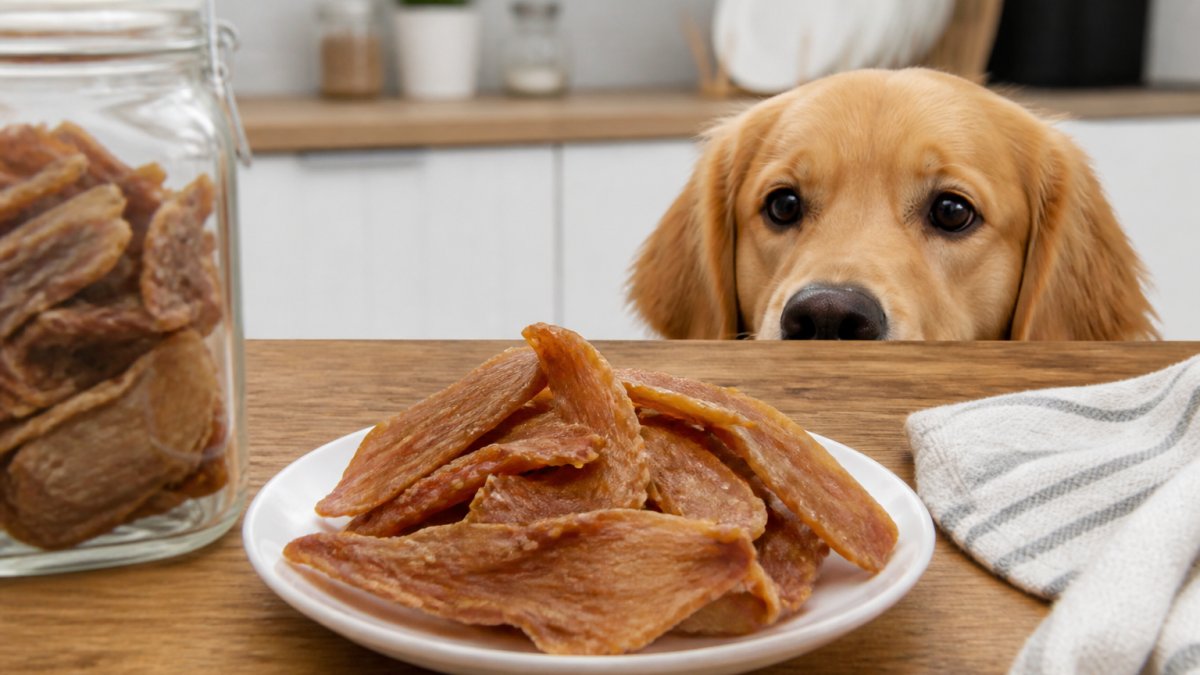
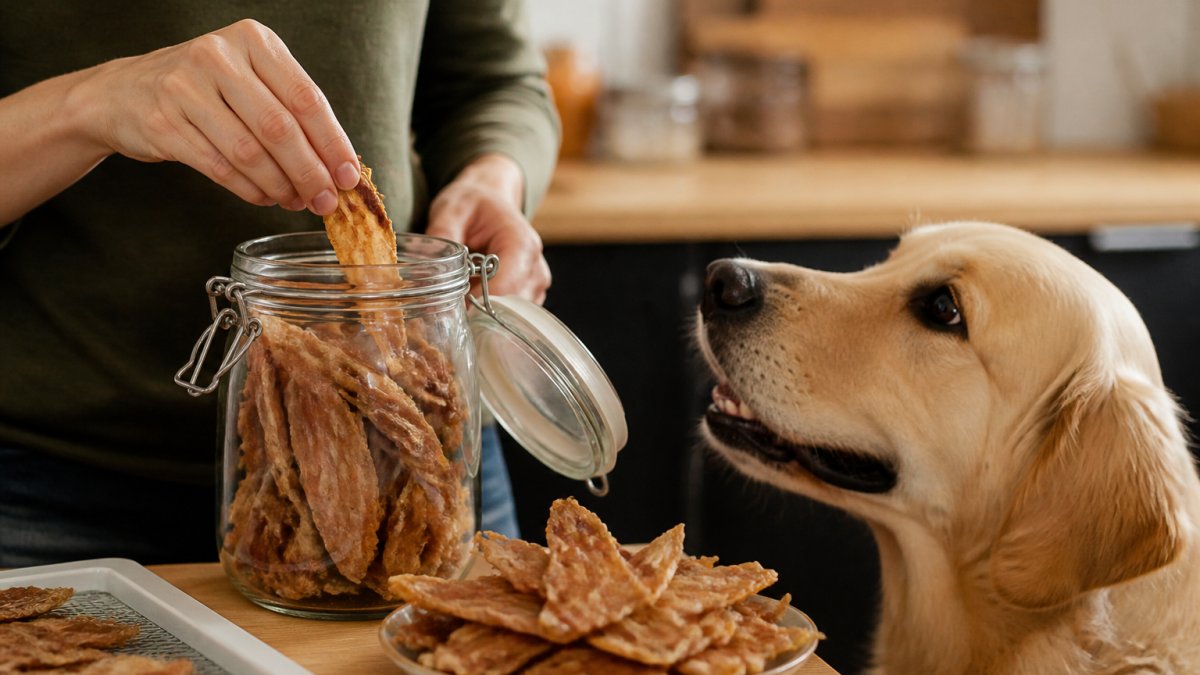
At Five Local Dogs, we built our whole approach around removing that ambiguity. Our treats are single-ingredient dehydrated chicken, hand-sliced in small batches, with no preservatives and no coatings.
Why does this matter so much? Because a shorter list is easier to trust and easier to troubleshoot.
The trade-off is real, though. Simple treats don't have the shelf life of engineered snacks, and homemade batches vary from oven to oven.
What 'Simple' Actually Means on a Treat Label
"Simple" is not a regulated term. Any manufacturer can print it. What you want instead is a short, recognizable ingredient list where each item has a clear function: a protein, a binder, a fat, maybe a flavor.
A useful rule: if you can't picture the ingredient in a kitchen, it probably isn't simple. "Chicken" is simple. "Chicken by-product meal" is a rendering output.
For homemade dog treats, simple means five ingredients or fewer, all of them human-grade and dog-safe.
Best Ingredients for Homemade Dog Treats
The best ingredients for homemade dog treats are lean proteins, whole-grain or oat-based binders, and dog-safe fruits or vegetables, kept to a short list with no added sugar or salt.

Here's what earns a spot in the bowl:
Lean protein: cooked chicken, turkey, lean beef, salmon, or eggs. Protein carries most of the flavor and the nutritional weight.
Binders: rolled oats, oat flour, whole wheat flour, or cooked mashed sweet potato. Binders hold the dough together and add fiber.
Fats: a small amount of peanut butter (xylitol-free), plain yogurt, or a neutral oil. Fat carries flavor and helps browning.
What most guides miss is the moisture balance. Too much wet ingredient and you get a sticky dough that spreads into one sheet. Too little and it crumbles before it reaches the oven.
Proteins, Flours, and Binders That Work
Not all flours behave the same, and the difference matters more than most recipes admit.
Whole wheat flour gives structure and holds shape well, but it contains gluten, so it's off the table for wheat-sensitive dogs. Oat flour produces a softer, crumblier treat and is a common choice for sensitive stomachs.
For protein, cooked and shredded is safer than raw for most home kitchens. Eggs work as both protein and binder, which is why so many two-ingredient recipes lean on them.
Dog Treat Ingredients to Avoid
The dog treat ingredients to avoid are xylitol, chocolate, grapes and raisins, onions and garlic, macadamia nuts, alcohol, and caffeine, along with any product sweetened with an artificial sugar alcohol.
Xylitol is the one that catches people off guard.
Chocolate contains theobromine, which dogs metabolize poorly. Dark chocolate and baking chocolate are the highest risk.
Grapes and raisins have been linked to kidney injury in dogs, and there is no established safe amount.
Onions, garlic, chives, and leeks damage red blood cells. Garlic powder in a "dog-safe" recipe is still garlic.
Macadamia nuts cause weakness and tremors. Alcohol and caffeine are both toxic to dogs.
The ASPCA Animal Poison Control Center's toxic and non-toxic plant database is the reference we point people to when they're unsure about a specific food.
The Toxic List: Xylitol, Chocolate, Grapes, and More
If your dog eats any of the items above, call your veterinarian or a pet poison control line immediately. Don't wait for symptoms. With xylitol in particular, a dog can look fine for a while before blood sugar drops.
Keep the list somewhere you'll actually see it: inside a kitchen cabinet door, on the fridge, or saved in your phone. The moment you need it is not the moment to search for it.
Watch Out A common mistake is assuming "sugar-free" means dog-safe. Sugar-free peanut butter and sugar-free baked goods are the most common hidden sources of xylitol in a home kitchen. Check the label every single time, even on a brand you've bought before, because formulations change.
How to Read Dog Treat Labels Like a Pro
Reading a dog treat label comes down to four checks: ingredient order, the guaranteed analysis, the calorie statement, and whether the front-of-bag claims survive contact with the back of the bag. Most people stop at the first check. The other three are where the real information lives.
Check 1: Ingredient Order
Ingredients are listed by weight before cooking, in descending order. The first three items tell you most of the story. A named protein first (chicken, salmon, beef) is a good sign.
Two traps worth knowing. First, "split" ingredients: a manufacturer can list chicken, chicken meal, and chicken fat separately so that no single chicken entry outranks a grain, even though chicken dominates the formula in total.
Check 2: The Guaranteed Analysis
The guaranteed analysis reports minimum crude protein and crude fat and maximum crude fiber and moisture. Those are legal minimums and maximums, not exact values, so treat them as a range, not a measurement.
What matters for a treat is the moisture line. A treat that is 30% moisture is nearly a third water by weight, and water is the cheapest ingredient in the bag.
Check 3: The Calorie Statement
Look for a calorie statement in the form "X kcal ME/kg" or "X kcal ME per treat." The "ME" stands for metabolizable energy, the calories a dog can actually use. If the statement is per kilogram, divide by 1,000 to get calories per gram, then multiply by the weight of one treat.
If a package has no calorie statement, that is itself information. It usually means the product was not formulated to a recognized nutrient profile.
Check 4: Claims Versus Facts
"Natural" has a defined meaning in animal feed labeling: the ingredients come from plant, animal, or mined sources and are not chemically synthesized, though synthetic vitamins and minerals are still permitted.
Then scan the preservative and flavor section. Recognizable antioxidants like mixed tocopherols (vitamin E) and citric acid are common and acceptable. Artificial colors, propylene glycol, BHA, and BHT are the ones we would rather not see.
Pro Tip Look for a statement of nutritional adequacy on the package, such as "formulated to meet the nutritional levels established by the AAFCO Dog Food Nutrient Profiles." Treats that carry one have been formulated to a recognized profile. Treats without one are, by definition, a supplement to the diet and not a meal replacement. That distinction matters if your dog is a fussy eater who would happily skip dinner for snacks.
A practical habit: photograph the back of the bag the first time you buy a product, and re-check it on every repurchase. Formulations change without a packaging redesign, and the label you trusted last month is not guaranteed to be the label on the shelf today.
Two-Ingredient Dog Treat Recipes You Can Make Tonight
Two-ingredient dog treats are exactly what they sound like: one protein or base plus one binder, mixed, shaped, and baked.
Here are three that work:
Chicken and oat flour. Blend one cup of cooked, shredded chicken with one cup of oat flour and enough water to bring the dough together. Roll, cut, bake.
Banana and oats. Mash one ripe banana into one and a half cups of rolled oats. Let it sit five minutes so the oats hydrate, then shape into small patties.
Pumpkin and oat flour. Combine half a cup of plain pumpkin puree with one and a half cups of oat flour. Add water a tablespoon at a time until the dough holds.
Each of these takes under ten minutes of hands-on work. The bake time is the long part.
A note on the banana version: it produces a soft, chewy treat rather than a crunchy one. If your dog prefers crunch, spread the mixture thinner before baking and extend the time.
Three-Ingredient Dog Treat Recipes for Picky Eaters
Three-ingredient treats add one more layer of flavor, which is usually what converts a picky dog. The third ingredient is typically a fat or a strong-smelling add-in: peanut butter, cheese, or a touch of low-sodium broth.
Try these combinations:
Peanut butter, oat flour, and egg. One half cup peanut butter, one cup oat flour, one egg. The egg binds and the peanut butter does the persuading.
Cheddar, oat flour, and water. A quarter cup of shredded cheddar folded into one and a half cups of oat flour, plus water to bring it together.
Sweet potato, whole wheat flour, and egg. Half a cup of mashed cooked sweet potato, one and a half cups flour, one egg.
For genuinely selective eaters, smell matters more than taste. Warm the treat slightly before offering it, or crumble a little over the regular food as a topper. That's the trick most people never try.
Best For Dogs who turn their nose up at plain biscuits and respond to aroma. Peanut butter and cheese both carry a strong scent, which is what pulls a picky dog to the bowl.
Peanut Butter Dog Treats: The Crowd-Pleaser Done Right
Peanut butter is the most reliable flavor in homemade dog treats, and it's also the ingredient most likely to hide a problem.
Two things to watch. First, reduced-fat peanut butter often has added sugar and stabilizers, so the "healthier" jar can be the worse choice for your dog.
If your dog has a confirmed peanut allergy, swap in sunflower seed butter, again checking for xylitol and added sweeteners.
Oats, Oat Flour, and Whole Wheat: Choosing Your Base
Your flour choice determines texture, crumb, and how the treat holds up in storage. Oat flour gives a softer, more crumbly result and suits sensitive stomachs. Whole wheat flour gives a firmer, longer-keeping biscuit but brings gluten.
Base | Texture | Best For | Watch Out For |
Oat flour | Soft, crumbly | Sensitive stomachs | Absorbs moisture slowly; rest the dough |
Rolled oats | Chewy, rustic | Heartier biscuits | Needs time to hydrate before baking |
Whole wheat flour | Firm, crisp | Long-keeping batches | Contains gluten |
Brown rice flour | Fine, neutral | Grain-sensitive dogs | Can taste flat; add a strong flavor |
A practical habit: rest any oat-based dough for five to ten minutes before rolling. Oats keep drinking water, and a dough that looks perfect straight from the bowl will often stiffen noticeably by the time you're ready to cut.
Fruit and Vegetable Add-Ins: Banana, Pumpkin, Apple, Carrot, Sweet Potato
Fruit and vegetable add-ins bring moisture, fiber, and aroma, and they're where homemade treats get interesting. Banana binds and sweetens.
Use plain, unsweetened versions of everything. Pumpkin pie filling is not pumpkin puree, and it usually carries sugar and spices.
A few rules that keep add-ins safe:
Apple: core and seed it. Seeds contain a compound that releases cyanide when chewed, and the core is a choking risk.
Carrot: grate it finely for small dogs. Chunks can be a choking hazard.
Sweet potato: cook it before adding. Raw sweet potato is hard to digest.
Banana: use ripe, not overripe and moldy.
Keep the ratio around one part wet add-in to three parts dry base. More than that and the dough turns to batter.
Mixing, Shaping, and Baking Your Dough
Mixing and baking dog treats follows the same logic as any cookie dough: combine dry, combine wet, bring them together gently, then rest before rolling. Overmixing develops gluten and produces a tough, chewy biscuit.
Step-by-Step: From Bowl to Cooling Rack
Preheat the oven to 350°F. Line a baking sheet with parchment.
Whisk the dry ingredients in one bowl: flour, oats, any powder.
Combine the wet ingredients in a second bowl: protein, egg, peanut butter, puree.
Fold wet into dry with a spatula until just combined. Add water one tablespoon at a time if it's dry.
Rest the dough for five to ten minutes. This is the step everyone skips and everyone should keep.
Roll to about a quarter inch thick on a lightly floured surface.
Cut into shapes with a cookie cutter or a knife. Small shapes bake faster and suit small dogs.
Bake for 20 to 30 minutes, depending on thickness and how crunchy you want them.
Cool completely on a wire rack before storing. Warm treats steam in the container and go soft or moldy.
Expected result: firm, dry-feeling treats that snap rather than bend when broken. If they bend, they need more time in the oven, not more flour.
Pro Tip For a crunchier biscuit, bake to your target time, then turn the oven off and leave the tray inside for another 20 minutes with the door cracked. This dries the treats out without scorching the edges, and it's how you get a longer-keeping batch.
Portion Sizes, Calories, and Daily Treat Limits
Treats should make up no more than about ten percent of a dog's daily calories. That is the widely used guideline, and it is the one worth building your routine around. The other ninety percent should come from a complete and balanced diet. The problem is that almost no one actually does the math, so the guideline stays abstract. Here is how to make it concrete.
Step 1: Estimate Daily Calories
A common starting point for a healthy adult dog is roughly 30 calories per kilogram of body weight per day, adjusted for life stage and activity.
Worked example: a 30 lb adult dog at roughly 13.6 calories per pound needs about 408 calories a day. Ten percent of that is about 41 calories of treats per day. That is the budget.
Step 2: Convert the Budget Into Treats
Weigh one treat on a kitchen scale. A homemade oat-and-peanut-butter biscuit cut to a quarter inch and about an inch across typically lands somewhere between 15 and 30 calories depending on density and add-ins.
This is why the calorie statement from the label section matters. Without it, you are guessing, and guessing is how dogs gain weight on "just a couple of biscuits."
Step 3: Size the Treat to the Dog
The treat should be small enough that the dog can chew it without gulping and small enough that it does not blow the budget in one bite. A rough framework:
Dog Size | Approx. Weight | Treat Size | Daily Treat Budget (approx.) |
Small | Under 20 lb | Pea to marble | 1 to 2 small treats |
Medium | 20 to 50 lb | Marble to golf ball | 2 to 3 treats |
Large | 50 to 90 lb | Golf ball | 3 to 4 treats |
Giant | Over 90 lb | Golf ball to small biscuit | 4 to 5 treats |
These are starting points, not prescriptions. The calorie budget, not the treat count, is the real limit. A giant dog with a low-calorie treat can have more pieces; a small dog with a dense biscuit can have fewer.
Step 4: Break Treats for Training
If you are training with high-frequency rewards, break each treat into quarters. Ten small pieces deliver the same reinforcement as ten whole treats with a fraction of the calories. This is the single easiest way to stay inside the ten percent line without changing the recipe.
Step 5: Account for Everything
Treats count, and so do table scraps, dental chews, pill pockets, and the biscuit the neighbor hands over the fence. If you are tracking, track all of it against the same daily budget. A food scale and a short note on the fridge will tell you more in a week than any generic feeding chart.
Watch Out An overweight dog, a puppy, a pregnant or nursing dog, or a dog on a prescription diet needs a different calculation than the one above. Do not apply the ten percent rule to a dog whose daily ration was set by a veterinarian; ask the vet how treats should fit into that plan.
One more thing worth saying plainly: homemade treats vary far more in density than commercial ones, because your scoop of peanut butter and your oven's drying time are not standardized. Weighing a batch once and writing the per-treat calorie estimate on the container removes most of the uncertainty for the rest of the batch.
Allergy-Aware Substitutions and Sensitive-Stomach Swaps
This is also where single-ingredient treats earn their place. A treat with one ingredient removes the guesswork entirely, which is why our dehydrated chicken is the first thing we suggest to owners working through an elimination trial.
Storing, Freezing, and Spotting Spoilage
For our dehydrated chicken, store the bag sealed in a cool, dry place and reseal it properly after each use. Moisture is the enemy of a dried product, so don't scoop with a wet hand or leave the bag open on the counter.
When to Talk to Your Vet About Treats and Nutrition
Treats are not a complete diet, and no homemade recipe should replace your dog's regular food without veterinary input.
Also worth a conversation: sudden changes in appetite, weight, or digestion after introducing a new treat. Bring the recipe with you.
For general guidance on what dogs can and can't eat, the FDA's animal and veterinary guidance for pet owners and the AAHA's nutritional assessment guidelines for dogs and cats are both solid starting points.
The hardest part of feeding simple ingredient dog treats isn't the recipe.
That's exactly why we started Five Local Dogs.
Frequently Asked Questions
What are the best ingredients for homemade dog treats?
The best base ingredients for homemade treats are lean proteins like chicken or turkey, whole grains such as rolled oats or oat flour, and dog-safe binders like plain yogurt or unsweetened applesauce. Peanut butter (xylitol-free) adds palatability, while banana, pumpkin puree, carrot, and sweet potato bring moisture and fiber. Keep the list short, use ingredients your dog has already tolerated, and skip added sugar, salt, and artificial preservatives.
What are some simple two-ingredient dog treats I can make at home?
Two-ingredient treats can be a fast entry point. Common pairings include mashed banana and rolled oats, canned pumpkin and oat flour, plain cooked chicken and an egg, or unsweetened applesauce and whole wheat flour. Always confirm your dog has no allergy to either ingredient before making a full batch.
Which ingredients should I avoid in dog treats?
Avoid xylitol (a sugar substitute that is highly toxic to dogs), chocolate, grapes and raisins, onions, garlic, macadamia nuts, and alcohol. Also skip added salt, sugar, artificial sweeteners, and preservatives like BHA or BHT when you can. Read labels on peanut butter carefully, since many brands now include xylitol. If a treat lists an ingredient you do not recognize, look it up before feeding it to your dog, and check with your vet when in doubt.
How many treats can I give my dog each day?
A common guideline is that treats should make up no more than 10 percent of your dog's daily calories. Small dogs need far less, and large dogs can have more but still within that 10 percent cap. Break treats into smaller pieces, subtract treat calories from meals, and adjust if your dog gains weight.
How do I know if a store-bought dog treat has simple ingredients?
Flip the package over and read the ingredient panel, not the front-of-bag claims. A simple treat lists recognizable whole foods in a short list, ideally with a named protein first. Watch for split ingredients like 'wheat flour, wheat gluten, wheat bran' that disguise a single item as several. Look for a guaranteed analysis, a 'made in the USA' statement if that matters to you, and the absence of artificial colors, flavors, and preservatives. Fewer than five ingredients is a good rule of thumb.
How long do homemade dog treats stay fresh?
Crunchy baked treats can keep in an airtight container at room temperature for about one to two weeks. Soft treats with meat, cheese, or egg may need refrigeration and should be used within five to seven days. For longer storage, freezing baked treats in a sealed bag for up to two to three months and thawing as needed can be an option. Discard any treat that smells off, looks moldy, or has changed texture.
SHOP
Comments