
Wholesome Treats Without Artificial Additives: 2026 Guide

Table of Contents
Why Wholesome Treats Without Artificial Additives Matter for Your Dog
How to Read Pet Food Labels and Spot Hidden Additives
A Step-by-Step Label Walkthrough
How to Spot Hidden Artificial Additives by Name
Decoding Terms Like Natural, Organic, and Clean Label
A Quick Reference: Additives to Watch
The 30-Second Label Test
Single-Ingredient Dog Treats Benefits: Simplicity You Can Trust
Best Treats for Dogs with Allergies and Sensitive Stomachs
Homemade vs. Store-Bought Wholesome Treats: A Cost and Quality Comparison
No-Bake and Dehydrated Snack Recipes You Can Make at Home
Understanding Artificial Additives in Pet Treats
How to Store Wholesome Treats for Maximum Freshness and Shelf-Life
Why Preservative-Free Treats Need Different Storage
Shelf-Life by Treat Type
How to Tell If a Treat Has Gone Bad
Storage Containers: What Actually Works
Freezing and Thawing Without Ruining Texture
A Simple Storage Routine
Nutritional Breakdown: What Your Dog Actually Needs from a Treat
Common Mistakes When Choosing Wholesome Treats
Frequently Asked Questions
Last Updated: September 20, 2026
Why Wholesome Treats Without Artificial Additives Matter for Your Dog
Your dog eats the same food every day. Treats are the one place you choose what else goes in.
At Five Local Dogs, we built our business around that idea. Most commercial treats hide colors, flavors, and preservatives behind vague label words, and a dog's body has to process all of it.
That matters more than most owners realize. Feed the same artificial additive every afternoon for two years, and you may never connect the itchy skin or loose stool to the biscuit.
This guide breaks down how to spot additives, what "natural" really means, and how to pick treats that do one job well.
How to Read Pet Food Labels and Spot Hidden Additives
Reading a pet treat label takes about 30 seconds once you know the order. Ingredients are listed by weight, heaviest first. So the first three items tell you almost everything.
Here's what to check, in order:
First ingredient: Should be a named protein, like chicken or beef. Not "meat meal" or "animal by-products."
Total ingredient count: Five or fewer is a good sign. Twenty is a red flag.
The last third of the list: This is where colors, flavors, and preservatives hide.
Guaranteed analysis: Look at protein and fat percentages. High protein with low filler is what you want.

The FDA guidance on pet food labeling explains that ingredient names must follow defined rules. That helps you compare bags fairly.
A Step-by-Step Label Walkthrough
Most owners scan the front of the bag and stop. The real work happens on the back panel, in a predictable sequence:
Find the ingredient statement. It sits below the guaranteed analysis on most bags. If you can't find it in five seconds, that's a signal.
Read the first three ingredients. These carry the most weight by volume. A named protein first is the baseline. If the first item is a grain, a starch, or a syrup, the treat is built on filler.
Count the total ingredients. Under five is simple. Five to ten is workable if every item is recognizable. Over fifteen usually means something is there to cut cost, extend shelf life, or improve appearance.
Scan the final third for additive names. Colors, flavors, and preservatives cluster at the end because they're used in small amounts. This is where the real reading happens.
Cross-check the guaranteed analysis. Protein and fat percentages tell you what the treat actually delivers. A treat with 8% protein and 20% fat is a fat delivery system with a protein label.
How to Spot Hidden Artificial Additives by Name
The word "artificial" rarely appears on a label. Additives show up under chemical or category names that most shoppers don't recognize. Here's what to look for, grouped by what they do:
Colors exist to make the treat look appealing to you. Common ones include Red 40, Yellow 5, Yellow 6, Blue 1, Blue 2, and Titanium Dioxide. A dog doesn't care what color a biscuit is. If a treat is bright orange or deep red, ask what's doing that.
Flavors and flavor enhancers mask low-quality base ingredients. Watch for "artificial flavor," "natural flavor" (which can still be synthesized), and hydrolyzed proteins used as flavor carriers. If a treat smells strongly of roast beef but lists no beef, something is doing the work.
Preservatives keep mass-produced treats shelf-stable for a year or more. The ones to watch are BHA, BHT, ethoxyquin, propylene glycol, and potassium sorbate. Some dogs react to them with itching, gas, or digestive upset.
Texturizers and humectants keep soft treats chewy and moist. Glycerin, sorbitol, and propylene glycol fall here. They aren't inherently harmful, but they signal a highly processed product.
Sweeteners are increasingly common in treats marketed as "natural." Watch for corn syrup, cane syrup, molasses, and, critically, xylitol, which is toxic to dogs. Even small amounts of xylitol can cause serious harm.
Watch Out Do not trust front-of-bag claims like "wholesome" or "all natural." These words are not regulated on pet treats the way they are on human food. Always flip the bag over and read the ingredient list yourself.
Decoding Terms Like Natural, Organic, and Clean Label
Natural means the ingredient comes from a plant, animal, or mineral source. It says nothing about processing, so a "natural" treat can still contain synthetic preservatives.
Organic is stricter, following USDA rules for how crops are grown and animals are raised. Organic treats cost more because the farming does.
Clean label is a marketing phrase, not a legal one. No agency defines it, so you still have to read the panel.
A Quick Reference: Additives to Watch
Additive | Category | Why It's Used | What to Watch For |
Red 40, Yellow 5, Blue 2 | Artificial color | Visual appeal | Purely cosmetic; no nutritional role |
BHA, BHT, ethoxyquin | Preservative | Extend shelf life | Linked to sensitivity reactions in some dogs |
Propylene glycol | Humectant / preservative | Keep soft treats moist | Can cause digestive upset in sensitive dogs |
Xylitol | Sweetener | Add sweetness | Toxic to dogs even in small amounts |
"Natural flavor" | Flavor | Mask base ingredients | Can still be synthesized |
The 30-Second Label Test
Once you've done this a few times, the whole check takes half a minute:
Flip the bag. Find the ingredient statement.
Read the first three items. Is a named protein first?
Count the total ingredients. Under ten?
Scan the last third. Any colors, preservatives, or sweeteners you don't recognize?
Check the guaranteed analysis. Does the protein-to-fat ratio match what you want?
If a bag passes all five, it's worth a closer look. If it fails step two or step four, put it back.
A common mistake is assuming "premium" on the front of the bag means anything. It doesn't. Only the ingredient panel counts.
Single-Ingredient Dog Treats Benefits: Simplicity You Can Trust
The case for single-ingredient treats comes down to one word: elimination.
When a treat has one ingredient, you know exactly what your dog ate. If a reaction happens, you can rule that ingredient in or out fast. With a 15-ingredient biscuit, you're guessing.
Other benefits stack up too:
Easier allergy tracking: One variable, not fifteen.
No hidden fillers: Nothing to bulk up weight or cut cost.
Better for training: Small, clean rewards you can hand out all day.
Clearer sourcing: You can ask where that one ingredient came from.
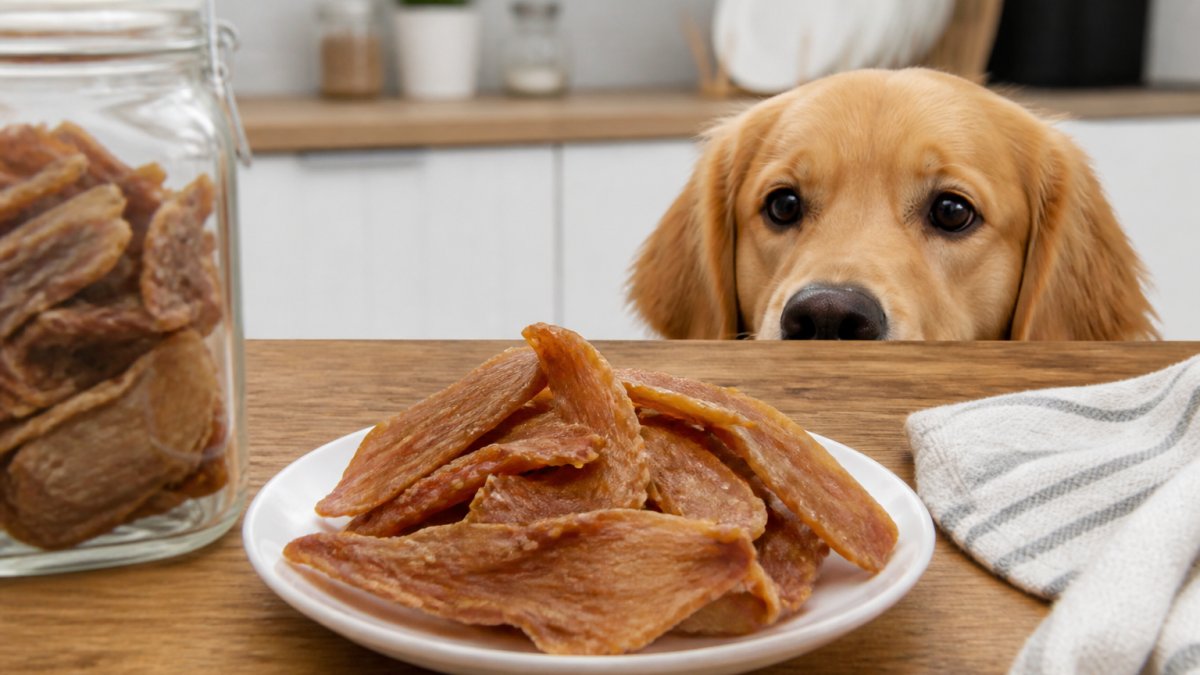
This is why Five Local Dogs makes dehydrated chicken treats with nothing else in the bag. One ingredient, no preservatives, no coatings, no fillers, hand-sliced in small batches so each bag stays consistent.
For picky dogs, single-ingredient treats often win because the smell is real, no flavor spray to confuse them.
Best Treats for Dogs with Allergies and Sensitive Stomachs
The best treats for dogs with allergies are limited-ingredient, single-protein options. Fewer ingredients means fewer chances to trigger a reaction.
Start with a protein your dog has never eaten. Chicken, turkey, and beef are the most common allergens, so some vets suggest novel proteins like venison or fish for sensitive dogs. If your dog already does well on chicken, a plain chicken treat is a safe bet.
Watch for these signs that a treat isn't working:
Itching, paw licking, or ear infections
Loose stool within 24 hours
Excessive gas or gurgling
Red, irritated skin
Keep a simple log of the treat, the date, and any symptoms. Patterns show up within two weeks.
Pro Tip Introduce one new treat at a time and wait five to seven days before trying another. If you switch three things at once and your dog reacts, you've learned nothing.
The American Veterinary Medical Association's pet nutrition resources notes that food allergies in dogs most often show up as skin problems, not stomach ones. That surprises a lot of owners.
Homemade vs. Store-Bought Wholesome Treats: A Cost and Quality Comparison
Both routes can work. The right choice depends on your time, budget, and how much control you want.
Factor | Homemade | Store-Bought Wholesome |
Control over ingredients | Total | Depends on the brand |
Time required | 30-90 minutes per batch | None |
Shelf life | Shorter, often 1-2 weeks | Varies by product |
Consistency | Varies batch to batch | Consistent when small-batch made |
Cost per treat | Lower if buying in bulk | Higher per unit |
Convenience | Low | High |
Homemade wins on control: you pick the chicken, control the slice, know the date. Store-bought wins on time and consistency, especially from a maker who keeps batches small and sourcing clear.
The middle ground: buy from a small producer who treats it like home cooking but does it every week. That's the model we use at Five Local Dogs. Same care, none of your Sunday afternoon.
No-Bake and Dehydrated Snack Recipes You Can Make at Home
Two easy methods, no special skills needed.
No-Bake Peanut Butter Bites
1 cup oat flour
1/2 cup plain peanut butter (xylitol-free)
1 mashed banana
Mix, roll into small balls, chill for 30 minutes
Simple Dehydrated Chicken
1 pound chicken breast, sliced thin
Lay slices on a rack, not touching
Dehydrate at 165°F for 6-8 hours until brittle
Cool fully, then store
The oven version works too. Set it to its lowest temperature and prop the door open slightly. Check every hour after the fourth.
Understanding Artificial Additives in Pet Treats
Artificial additives fall into four groups: colors, flavors, preservatives, and texturizers. Each has a job, and each can cause problems.
Colors make treats look appealing to shoppers. Flavors and enhancers make cheap base ingredients taste better. Preservatives extend shelf life. Texturizers like glycerin keep soft treats chewy.
The issue isn't that any single additive is poison. It's the buildup. A dog eating three additive-packed treats a day for years takes in a steady stream of synthetic compounds. Some dogs handle it fine. Others don't.
If your dog has ever had a mystery itch or a bad week of digestion, additives are worth ruling out. It costs nothing to switch to a plain treat and watch what happens.
How to Store Wholesome Treats for Maximum Freshness and Shelf-Life
Storage decides how long your treats stay good. Get it right and a bag lasts weeks. Get it wrong and you're feeding stale food.
Here's the short version:
Keep them dry. Moisture is the enemy. A sealed bag or jar beats an open one every time.
Skip the fridge for dehydrated treats. Condensation forms when cold treats hit warm air.
Store in a cool, dark spot. A pantry shelf works. Above the stove does not.
Check for spoilage. Soft spots, off smells, or mold mean toss the bag.
For dehydrated chicken, an airtight container in the pantry keeps quality for several weeks.
Key Takeaway The single biggest storage mistake is transferring treats to the fridge "to be safe." For dehydrated products, that adds moisture and speeds up spoilage instead of slowing it.
Why Preservative-Free Treats Need Different Storage
Treats without preservatives don't fail the same way conventional treats do. Without BHA, BHT, or propylene glycol holding them stable, they're vulnerable to moisture, oxygen, and temperature swings.
Moisture is the primary threat. Water activity, the free water available for microbial growth, determines how fast a treat spoils. Dehydrated treats are shelf-stable because their water activity is low; the moment they absorb moisture from the air, that advantage disappears.
Oxygen causes fats to go rancid. Rancid fat smells sharp or sour and can cause digestive upset. This is why airtight containers matter more than pretty ones.
Temperature swings create condensation. Every time a container moves from cold to warm, moisture forms inside. A pantry between 60°F and 75°F is ideal; a garage or a spot above the stove is not.
Shelf-Life by Treat Type
Shelf life varies by how the treat was made and stored. These are general ranges, not guarantees:
Treat Type | Pantry (Airtight) | Refrigerator | Freezer |
Dehydrated meat treats | 3-6 weeks | Not recommended | 2-3 months |
Soft baked treats (no preservatives) | 1-2 weeks | 2-3 weeks | 2-3 months |
No-bake bites (peanut butter, oat) | 1 week | 2 weeks | 2 months |
Single-ingredient jerky-style | 4-8 weeks | Not recommended | 3 months |
These ranges assume the treat was fully dried or baked and stored airtight. An under-dried treat, or one stored in a zip-top bag with air in it, will spoil faster. When in doubt, trust your nose and your hands.
How to Tell If a Treat Has Gone Bad
Preservative-free treats don't always look spoiled. Check these signs before you feed:
Smell: A sharp, sour, or ammonia-like odor means toss it. Fresh dehydrated meat smells mild.
Texture: Soft spots, stickiness, or sliminess on a treat that should be dry or brittle.
Color: Graying, darkening, or any fuzzy patches. Mold can be white, green, blue, or black.
Taste test (for you, not the dog): A tiny bite of a suspect treat will tell you if the fat has gone rancid. If it tastes off, don't feed it.
When in doubt, throw it out. A dog's digestive system is not the place to gamble on a questionable treat.
Storage Containers: What Actually Works
Not all containers are equal. Here's what to look for:
Glass jars with airtight lids: Best for pantry storage. Glass doesn't absorb odors or transfer chemicals.
Vacuum-sealed bags: Best for freezing. Removing air slows oxidation significantly.
Silicone bags with zip seals: Good for short-term storage, but check the seal regularly. Silicone can develop pinholes.
Original packaging: Fine if it's resealable and you press out the air. Not fine if it's a thin plastic bag with a twist tie.
Avoid open bowls, paper bags, or containers that previously held strong-smelling foods. Treats absorb odors, and a dog that turns up its nose at a treat stored next to garlic may just be reacting to the smell.
Freezing and Thawing Without Ruining Texture
Freezing extends shelf life but changes texture if you're not careful.
To freeze: Portion treats into amounts you'll use within a week. Vacuum-seal or use a freezer-safe bag with the air pressed out. Label with the date.
To thaw: Move the portion to the refrigerator overnight, then let it reach room temperature in the sealed container before opening. Opening a cold container in a warm room creates condensation on the treats, the exact thing you're avoiding.
To refreeze: Don't. Once thawed, treats should be used within their normal refrigerated window. Refreezing accelerates moisture damage and texture loss.
A Simple Storage Routine
One system works for most preservative-free treats:
Buy in quantities you'll use within a month. Bulk buying only saves money if the treats stay fresh.
Transfer to an airtight glass jar for daily use. Keep only a week's worth in the jar.
Freeze the rest in portioned, vacuum-sealed bags. Label with the date.
Refill the jar from the freezer as needed. Thaw overnight in the fridge, then bring to room temperature sealed.
Check the jar weekly. Smell, texture, and color tell you everything.
This routine keeps treats fresh, reduces waste, and means you're never feeding your dog something that's sat in a warm pantry for two months.
Nutritional Breakdown: What Your Dog Actually Needs from a Treat
Treats should stay under 10% of your dog's daily calories, per most veterinarians. The other 90% comes from a complete, balanced diet.
So what should a treat deliver?
Protein: The main event. Supports muscle and keeps dogs full.
Fat: A little goes a long way. Too much causes weight gain.
Fiber: Helps digestion, but most treats have little.
Moisture: Dehydrated treats are dry by design. Fresh water matters more.
What treats should NOT deliver: fillers, added sugar, and synthetic additives. Dogs don't need carbohydrates from a biscuit. They need meat.
A treat is a reward, not a meal. Judge it on quality, not quantity.
Common Mistakes When Choosing Wholesome Treats
Even careful owners slip up. These are the ones we see most.
Trusting the front of the bag. Words like "wholesome" and "premium" are marketing. The back panel is the truth.
Assuming grain-free means healthy. Grain-free became a trend, not a solution. Many grain-free treats swap in potato or pea starch, which isn't better.
Buying in giant bulk bags. A 5-pound bag of soft treats sits in your pantry for months. Freshness drops with every week.
Ignoring treat size. A large biscuit for a small dog is a choking risk and a calorie bomb. Match the treat to the dog.
Never rotating proteins. Feeding the same protein for years can lead to sensitivities. Variety helps.
[Tufts University's pet food(/post/how-to-read-dog-treat-labels-a-pet-owner-s-guide) nutrition guidance | tufts.edu] recommends treating any new food as a trial, not a permanent switch, until you see how your dog responds.
Picking the right treat shouldn't require a chemistry degree.
Frequently Asked Questions
What are the benefits of choosing treats without artificial additives?
Treats without artificial additives support your dog's overall health by avoiding synthetic chemicals that can trigger allergies, digestive upset, or long-term issues. They often use whole ingredients like meat, vegetables, or fruit, which provide better nutrient absorption. For dogs with sensitive stomachs, eliminating artificial colors, flavors, and preservatives can reduce flare-ups and support a healthier coat, skin, and energy level.
How can I identify artificial preservatives in pet treats?
Check the ingredient list for terms like BHA, BHT, ethoxyquin, propylene glycol, and potassium sorbate. These are common synthetic preservatives. Also look for artificial colors such as Red 40, Yellow 5, and Blue 2, and vague terms like 'meat meal' or 'by-products.' A short, recognizable ingredient list is your best indicator of a cleaner product.
Are single-ingredient treats better for dogs with allergies?
Yes, single-ingredient treats are often better for dogs with allergies because they eliminate common triggers like grains, dairy, or artificial additives. With only one ingredient, you can quickly identify what works or doesn't work for your dog. For example, dehydrated chicken treats made from 100% chicken are less likely to cause reactions than multi-ingredient treats with fillers or synthetic coatings.
What should I avoid when reading pet treat labels?
Avoid treats listing artificial colors (e.g., Red 40), artificial flavors, BHA, BHT, ethoxyquin, propylene glycol, corn syrup, and vague terms like 'meat meal' or 'animal digest.' Also steer clear of added sugars and seed oils. Look for named proteins (e.g., 'chicken' or 'salmon') and limited ingredients. The shorter and more recognizable the list, the better.
SHOP

Comments