
How to Verify US-Sourced Dog Treats: 2026 Guide

Table of Contents
Step 1: Read the Label for Country of Origin
Step 2: How to Read Pet Food Labels for Sourcing
Raw Material Origin vs. Final Processing: The Distinction That Matters
Where to Find Origin Information on Packaging
Common Label Phrases and What They Mean
Step 3: 'Made in USA' vs. 'Sourced in USA': What's the Difference?
The Loophole: 'Processed In' vs. 'Manufactured In'
What Each Claim Actually Tells You
How to Close the Gap
Step 4: Ask Manufacturers Directly About Supply Chain Transparency
Questions to Ask About Ingredient Sourcing
A Direct Contact Template You Can Use
Step 5: Verify Third-Party Testing and Batch Testing
Spotting Natural Dog Treats Without Artificial Additives
Red Flags That Signal Misleading Sourcing Claims
Conclusion
Frequently Asked Questions
Last Updated: September 24, 2026
Step 1: Read the Label for Country of Origin
Learning how to verify us-sourced dog treats starts with one habit: turn the bag over before you buy. The label is your first and best tool, and it takes about ten seconds to check.
Country of origin labeling for pet food and treats falls under rules set by the FDA Center for Veterinary Medicine and the USDA Food Safety and Inspection Service. Those rules require origin information to appear, but they leave room for vague wording. That wiggle room is where confusion lives.
Here is what to look for, in order:
The "Made in" or "Product of" statement, usually near the ingredient list or the guaranteed analysis
The manufacturer's name and address, which tells you where the product was actually made
The distributor's name, which is often different from the maker and can hide the real source
The ingredient panel, where the first listed protein should match the origin claim
A common mistake is trusting a flag graphic or a slogan on the front of the bag. Those are marketing, not disclosure. The back panel is where the legal language sits.
Pro Tip Take a photo of the back panel before you buy a new brand. If you ever need to contact the maker, you'll have the batch code, the "best by" date, and the exact wording in front of you. That one photo settles most sourcing questions in a single email.
Step 2: How to Read Pet Food Labels for Sourcing
Knowing how to read pet food labels for sourcing means separating three different facts that most shoppers collapse into one: where the animal was raised, where the meat was processed into an ingredient, and where the final treat was manufactured. Those can be three different places, three different countries, and three different companies, and a single bag can legally describe all three without ever naming the first one.

Most shoppers assume one label equals one origin. In practice, a treat can be made here from meat raised elsewhere, or the reverse. The label has to be read line by line, not skimmed.
Raw Material Origin vs. Final Processing: The Distinction That Matters
This is the gap most label-reading guides skip. "Origin" on a pet treat label can refer to two completely separate stages of the supply chain:
Raw material origin, where the animal was born, raised, and harvested. This is the part that determines what is actually in the protein: feed, antibiotics, hormones, and slaughter standards all trace back to this stage.
Final processing origin, where the meat was cooked, dehydrated, sliced, packaged, and sealed into the bag you are holding. This is the part that determines food-safety handling, facility inspection, and finished-product testing.
A bag can honestly claim domestic final processing while every pound of chicken inside it was raised and slaughtered overseas. The reverse is also possible: domestic meat shipped abroad for low-cost dehydration, then re-imported and bagged here.
To tell which stage a claim is describing, look at the verb:
"Raised in the USA" or "Farm-raised in the USA" points to raw material origin.
"Made in the USA," "Manufactured in the USA," or "Produced in the USA" points to final processing.
"Sourced in the USA" is the vaguest of the three and can mean either stage, or simply that the buyer purchased ingredients through a domestic broker.
If a bag only carries a final-processing claim, you have learned nothing about where the animal came from. That is the question to ask the maker directly.
Where to Find Origin Information on Packaging
Origin details live in four spots on a typical bag:
The principal display panel, which is the front and carries the boldest claim
The information panel, which holds the ingredient list and the maker's address
The guaranteed analysis, which covers nutrition rather than origin
The lot or batch code, which lets you trace a specific production run
If a claim only appears on the front and nowhere on the back, treat it as unproven.
Common Label Phrases and What They Mean
"Made in the USA" means the product was manufactured or processed here, but it does not guarantee every ingredient was raised here.
"Product of the USA" is a stronger statement about the meat itself, though enforcement varies by product type.
"Sourced in the USA" usually describes where ingredients were bought, not where the treat was made.
"Distributed by" tells you nothing about origin. It only names who shipped the bag.
That last one trips up more buyers than any other phrase. A company can distribute from a warehouse here while the product arrives from overseas.
Pro Tip When you photograph the back panel, also photograph the ingredient panel and the manufacturer address in the same frame. If a maker later tells you the chicken was raised domestically, you can compare that answer against the exact wording on the bag, and against the address of the facility that actually produced it.
Step 3: 'Made in USA' vs. 'Sourced in USA': What's the Difference?
"Made in USA" describes where a product was manufactured, while "sourced in USA" describes where its ingredients came from. A bag can honestly claim both, one, or neither, and the two claims are not interchangeable.
The Federal Trade Commission's guidance on US-origin claims sets the standard for "Made in USA" marketing. For an unqualified claim to hold up, the product generally needs to be all or virtually all made here, with no more than a negligible amount of foreign content. "All or virtually all" is the operative phrase, it means the final assembly or processing happens domestically and the foreign content is insignificant.
The Loophole: 'Processed In' vs. 'Manufactured In'
Here is the mechanism most guides never explain. The FTC standard governs marketing claims, not ingredient sourcing. A company can satisfy the "all or virtually all" test on the manufacturing side, cooking, dehydrating, slicing, and packaging all happen in a domestic facility, while the raw protein itself was raised, slaughtered, and initially processed overseas.
That is legal because the FTC is asking where the product was made, not where the animal was raised. A treat assembled here from imported chicken can still qualify for a qualified "Made in USA" claim if the foreign content is disclosed and not misleading. The word "processed" in a marketing claim typically refers to the final transformation step, not the agricultural origin of the input.
A second layer sits on top of this: the USDA Food Safety and Inspection Service regulates labeling for certain meat and poultry products, and its rules for "Product of USA" are stricter than the FTC's general standard for non-meat goods. That is why a bag of chicken treats may carry a different origin claim than a bag of peanut-butter biscuits from the same brand.
What Each Claim Actually Tells You
Label Claim | What It Actually Tells You | What It Leaves Out |
Made in USA | Final production happened here | Where the meat was raised |
Sourced in USA | Ingredients were bought here | Where the treat was made |
Product of USA | Meat likely originated here | Processing location |
Distributed by | Who shipped the bag | Everything about origin |
How to Close the Gap
The strongest bags carry more than one of these claims, plus a named farm or region. Vague bags carry one slogan and no address.
If you want to know the raw material origin, not just the processing origin, you have to ask a question the label cannot answer. The label will tell you where the treat was made. It will not tell you where the chicken was raised unless the maker volunteers that information.
Watch Out If a bag says "Made in USA" in large letters but lists a foreign address under "Distributed by," slow down. That combination is legal, but it often signals that only the packaging step happened here. Ask the maker directly before you assume the meat is domestic, and ask specifically about the raising location, not the processing location.
Step 4: Ask Manufacturers Directly About Supply Chain Transparency
Emails work better than labels. A transparent maker will answer sourcing questions in plain language, and the speed of that answer tells you a lot about how well they know their own supply chain.
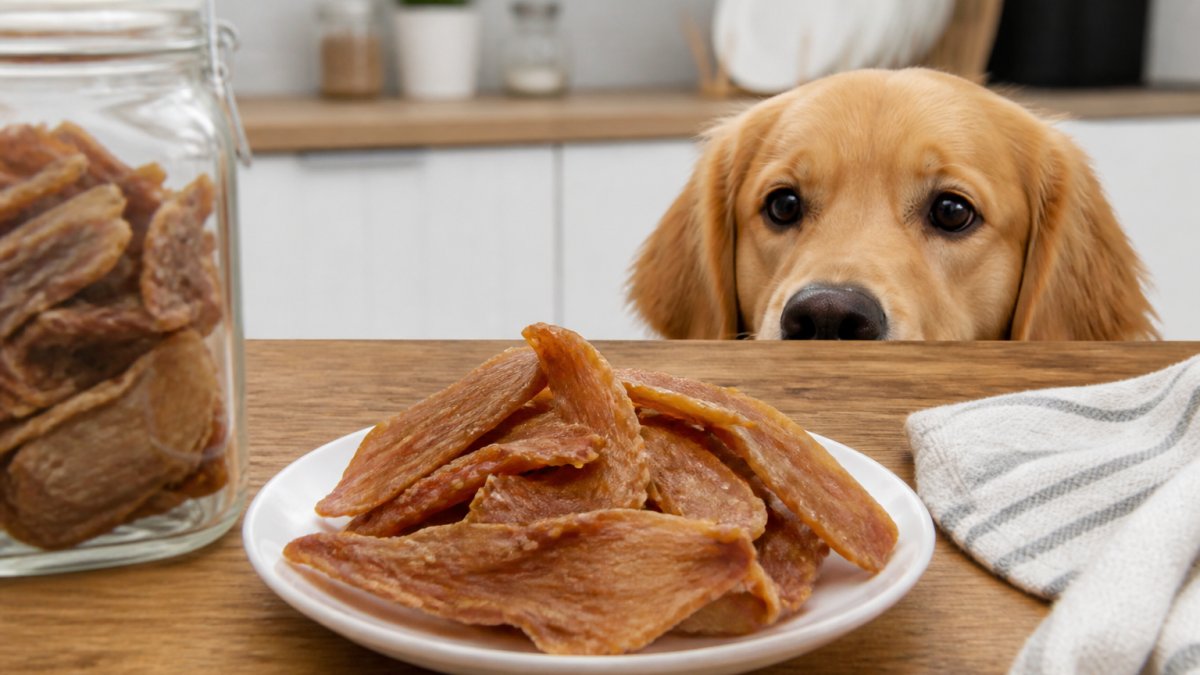
Five Local Dogs built its process around this idea of us-sourced dog treats. Every batch of its single-ingredient dehydrated chicken treats is made from chicken sourced from farms in the U.S., hand-sliced, and produced without preservatives or artificial coatings. That is the kind of specific, checkable claim you should expect from any maker you buy from.
Questions to Ask About Ingredient Sourcing
Send these five questions and see what comes back:
Which farms or regions supply your animal protein?
Is the protein raised and processed domestically, or only processed here?
Can you share your most recent third-party test results?
Do you test each batch, or only run periodic spot checks?
Who manufactures the treat, and where is that facility located?
A maker who answers all five without hedging is a maker worth keeping.
A Direct Contact Template You Can Use
Copy this, fill in the brackets, and send it:
Hello, I'm considering your [product name] for my dog and I want to confirm sourcing before I buy. Could you answer a few questions? Where is the animal protein raised? Where is the final product manufactured? Do you run third-party testing, and how often? Can you share documentation for your current batch? My dog has a sensitive stomach, so I'm being careful about what I introduce. Thanks for your time.
Most replies arrive within a few days. The ones that dodge question one are your answer.
Step 5: Verify Third-Party Testing and Batch Testing
Third-party testing means an outside lab, not the maker's own team, checks the product for safety and quality. Batch testing means that check happens on every production run, not just once at launch.
Pathogen testing matters most for any animal protein. Labs screen for salmonella, listeria, and other contaminants that can sicken a dog or the people handling the food. A maker who tests every batch can show you a result tied to your bag's lot code.
Ask for two things:
The lab's name, so you can confirm it is an accredited independent facility
The batch code match, so the result actually corresponds to your treat
A test report with no batch number proves nothing about the bag in your hand. This is the part most buyers skip, and it is the part that matters.
Spotting Natural Dog Treats Without Artificial Additives
Natural dog treats without artificial additives have short ingredient lists. If you can read every word and recognize each item as food, you are on the right track.
Start with the ingredient panel and count. A single-ingredient treat lists one thing. A treat with preservatives, colors, or "natural flavor" listed late in the panel is doing more processing, not less.
Watch for these, which signal additives rather than whole food:
BHA, BHT, and ethoxyquin, all synthetic preservatives
Added colors like Red 40 or Yellow 5
"Meal" and "by-product" entries that hide what part of the animal is used
Propylene glycol, a humectant used to keep treats soft
Grain-free and wheat-free claims are separate from additive claims. A treat can be grain-free and still loaded with preservatives, so check both.
Key Takeaway The shortest ingredient list you can find is usually the safest bet for a dog with a sensitive stomach. One protein, no coatings, no preservatives. Fewer ingredients means fewer things that can trigger a reaction.
Red Flags That Signal Misleading Sourcing Claims
Misleading sourcing claims cluster around a few patterns. Once you spot them, you cannot unsee them.
The biggest one is a bold origin claim on the front with no supporting detail on the back. Marketing language is not regulated the same way as the information panel, so the front of the bag gets loose with the truth.
Other warning signs:
No manufacturer address anywhere on the package
A "made in" claim with no farm, region, or facility named
Country-of-origin statements that change between flavors of the same brand
Prices that seem too low for a domestic single-ingredient protein
No way to contact the company other than a generic web form
That last one matters. A maker proud of its sourcing wants you to reach them.
Conclusion
Verifying where your dog's treats come from takes a few minutes and one email, and it is worth every second for a dog with a sensitive stomach or a picky palate. Read the back panel, ask the hard questions, and demand batch-level test results.
Five Local Dogs exists for exactly this kind of buyer. Our single-ingredient dehydrated chicken treats are made in small batches from chicken sourced from farms in the U.S., hand-sliced, and free from preservatives and artificial coatings. No fillers, no guesswork, no vague labels. Get started with Five Local Dogs and feed your dog something you can trace from farm to bag.
Frequently Asked Questions
What does 'Made in the USA' actually mean for pet treats?
The FDA doesn't have a formal definition for 'Made in the USA' on pet food. The FTC standard applies: all or virtually all significant ingredients and processing must be domestic. However, enforcement is limited. Some brands use the claim loosely, so always verify with the manufacturer directly about where animal proteins and other ingredients are sourced.
How can I tell if a dog treat brand is truly sourcing ingredients domestically?
Check for specific origin claims on the label, like 'chicken raised in the USA.' Contact the manufacturer and ask for documentation. Reputable brands will share supplier information and batch testing results. If a company can't answer basic sourcing questions, that's a red flag.
Are there specific certifications to look for on dog treat packaging?
Some brands carry third-party pathogen testing certificates. These certifications don't guarantee domestic sourcing, but they indicate quality control. Pair them with direct questions about ingredient procurement to confirm US origin.
How do I read a pet treat label to identify origin?
Start with the ingredient panel and look for phrases like 'made in the USA' or 'sourced in the USA.' Look for a batch or lot number, which indicates traceability. If the label only says 'distributed by' without manufacturing details, call the company. Legitimate brands provide clear origin information and welcome questions.
SHOP

Comments