
Dog Treat Ingredient Safety Guide 2026: What to Avoid

Table of Contents
Why Dog Treat Ingredient Safety Matters in 2026
How to Read Dog Treat Labels: A Step-by-Step Walkthrough
Understanding the Ingredient List Order and Guaranteed Analysis
Decoding Health Claims and Marketing Terms on Packaging
Dog Treat Ingredients to Avoid: What Belongs Nowhere Near Your Dog
Toxic Ingredients: Xylitol, Grapes, Raisins, and Chocolate
Fillers, Artificial Colors, Flavors, and Chemical Preservatives
Safe Ingredients for Dogs: Protein Sources, Grains, and Produce
Protein Sources and Meat Ingredients: Reading Between the Lines
Why Protein Percentage Alone Tells You Almost Nothing
Protein and Allergies: Why "Novel" Beats "Premium"
A Note on Raw and Dehydrated Protein
Dog Treat Allergies: Identifying Triggers and Managing Reactions
Dog Treat Recalls: How to Check and What to Do
Treat Size, Texture, and Choking or Dental Risks
Treat Safety by Life Stage and Health Condition
Puppies
Adults
Seniors
Dogs with Pancreatitis or a History of It
Dogs with Kidney Disease
Dogs with Diabetes
Overweight and Obese Dogs
Dogs with Food Allergies or Sensitivities
A Note on Life-Stage Labels
Storage, Handling, and Contamination Prevention
How to Respond to Suspected Poisoning or Allergic Reactions
Building Your Dog Treat Safety Checklist for 2026
Conclusion: Making Confident Treat Choices
Frequently Asked Questions
Last Updated: October 12, 2026
Why Dog Treat Ingredient Safety Matters in 2026
Your dog's treat bag is only as trustworthy as the label on it.
Here's what most guides get wrong: they hand you a list of "bad" ingredients and stop there. A list without context turns every unfamiliar word into a scare.
That distinction matters more than ever. Pet food and treat recalls happen regularly, and the U.S. Food and Drug Administration maintains a public recall database you can search by brand or product.
Below, we'll walk through how to read a treat label line by line, which ingredients belong nowhere near your dog, how to spot allergens, how to check recalls, and how to build a simple safety checklist you'll actually use.
Key Takeaway Ingredient safety is not a yes-or-no list. It's a judgment call based on dose, your dog's size, and how often the treat is fed. Learn the label, and you can make that call yourself.
How to Read Dog Treat Labels: A Step-by-Step Walkthrough
Reading a treat label takes about ninety seconds once you know the order to read it in. Most people scan the front of the bag, see "natural" or "premium," and stop.

Here's the sequence we recommend:
Find the ingredient list. It's usually below the guaranteed analysis, in descending order by weight.
Read the first five ingredients. These make up the bulk of the treat. If the first three are sugar, filler, or unnamed "meat," put it back.
Check the guaranteed analysis. This shows minimum protein and fat, and maximum fiber and moisture.
Scan for the "avoid" list. Xylitol, BHA, propylene glycol, and unnamed by-products.
Look for a lot code and best-by date. No date, no purchase.
Search the brand name in the FDA recall database before you commit.
That's it. Ninety seconds, six steps, and you've filtered out most of what's on the shelf.
Understanding the Ingredient List Order and Guaranteed Analysis
Ingredient lists are ordered by weight before processing, which is why the order matters more than any single word. If chicken is first, chicken is the primary ingredient by weight.
The guaranteed analysis is a separate, regulated panel. It states minimum percentages for protein and fat, and maximums for fiber and moisture. It does not tell you ingredient quality, only quantity.
Decoding Health Claims and Marketing Terms on Packaging
Words like "natural," "premium," and "holistic" carry almost no regulatory weight on a treat bag. "Natural" has a loose definition. "Holistic" has none. "Human-grade" is meaningful only if the facility is actually inspected to that standard, and few treat makers can prove it.
The claims that matter are the specific ones: "single ingredient," "no preservatives," and a named protein source like "chicken" rather than "poultry." Vague terms sell bags. Specific terms tell you what you're buying.
Watch Out A treat labeled "natural" can still contain synthetic preservatives in some interpretations, and "premium" is a marketing word with no legal definition. Never treat front-of-bag claims as safety information.
Dog Treat Ingredients to Avoid: What Belongs Nowhere Near Your Dog
Some ingredients are genuinely dangerous at any dose, and others are a problem mainly through repetition.
The short answer: avoid xylitol, grapes, raisins, chocolate, and any treat containing them, full stop. Then limit or avoid unnamed by-products, artificial colors, artificial flavors, BHA, propylene glycol, and added simple sugars.
The American Society for the Prevention of Cruelty to Animals runs an Animal Poison Control hotline, and their call data consistently shows human foods and medications as leading causes of pet poisoning.
Toxic Ingredients: Xylitol, Grapes, Raisins, and Chocolate
Xylitol is a sugar alcohol used as a sweetener in sugar-free gum, some peanut butters, and a growing number of "diet" pet treats.
Grapes and raisins can cause kidney injury in dogs, and the toxic principle is still not fully understood, which means there is no reliable "safe" amount. Chocolate contains theobromine and caffeine, both of which dogs metabolize slowly.
If you suspect your dog ate any of these, call your veterinarian or an animal poison control line immediately. Do not wait for symptoms.
Fillers, Artificial Colors, Flavors, and Chemical Preservatives
Fillers like corn, wheat, and soy are not toxic, but they are common allergens and they dilute nutritional value. A treat that is mostly filler is a treat that delivers mostly calories.
Artificial colors exist purely for the human eye; dogs do not care what color a biscuit is.
A cleaner option is a treat preserved by dehydration rather than chemistry.
Safe Ingredients for Dogs: Protein Sources, Grains, and Produce
Safe treat ingredients are simpler than the marketing suggests. A named protein, a recognizable grain or none at all, and produce that dogs can actually digest. That's the whole formula.
Safe proteins: chicken, turkey, beef, salmon, lamb, and whitefish, all named specifically. Safe grains: rice, oats, and barley in moderation. Safe produce: pumpkin, sweet potato, carrots, blueberries, and plain cooked green beans.
What makes these safe is not just the ingredient itself but the absence of what surrounds it. A chicken treat with no preservatives, no coatings, and no added sugar is doing exactly what a treat should do: deliver a small, clean reward.
Ingredient Type | Safe Examples | Avoid or Limit | Why It Matters |
Protein | Chicken, turkey, beef, salmon | Unnamed "meat meal," "animal digest" | Named sources are traceable and consistent |
Grain | Rice, oats, barley | Corn, wheat, soy as primary ingredients | Common allergens and low nutritional value |
Produce | Pumpkin, sweet potato, carrots | None in this category | Fiber and nutrients dogs can digest |
Preservatives | Dehydration, refrigeration | BHA, BHT, propylene glycol | Chemical preservatives accumulate with daily feeding |
Sweeteners | None needed | Xylitol, corn syrup, simple sugars | Xylitol is acutely toxic; sugars add empty calories |
Protein Sources and Meat Ingredients: Reading Between the Lines
"Meat" is not an ingredient. It is a category, and on a treat label it usually means the cheapest available source at the time of production.
Under the Association of American Feed Control Officials (AAFCO) model regulations that most states adopt, ingredient names are not marketing choices. They are defined terms:
"Chicken" means clean flesh with skin, and it must come from chicken.
"Poultry" is a category that can include chicken, turkey, duck, goose, or guinea fowl, and the source can change batch to batch.
"Chicken meal" is rendered, dried chicken tissue, a concentrated protein source, not a filler.
None of these are automatically dangerous. The problem is auditability. A named protein is traceable to a species; an unnamed one is not, and for a dog with a diagnosed food allergy, an unnamed protein is a guessing game.
Why Protein Percentage Alone Tells You Almost Nothing
A guaranteed analysis showing "minimum 20% protein" is a quantity claim, not a quality claim. Protein percentage is measured by nitrogen content, and it says nothing about digestibility or amino acid balance.
A practical rule: if the first ingredient is a named muscle meat or a named meal, the protein is doing real work. If the first ingredient is a grain, a syrup, or an unnamed category, the protein percentage is being propped up by something else.
Protein and Allergies: Why "Novel" Beats "Premium"
The most common protein allergens in dogs are chicken, beef, and dairy, followed by wheat and soy. That list surprises people, because chicken is also one of the most digestible proteins for dogs that do not react to it.
If you are running an elimination trial, the protein has to be one your dog has not eaten before, and it has to be named.
A Note on Raw and Dehydrated Protein
Dehydration reduces moisture and slows spoilage but does not sterilize, a dehydrated treat needs to be stored and handled like a perishable food. Wash your hands after handling, keep the container sealed, and discard anything that smells off.
Label Term | What It Actually Means | Auditability |
Chicken | Clean flesh with skin, from chicken | High |
Poultry | Any of several bird species, source can change | Low |
Chicken meal | Rendered, dried chicken tissue | High |
Meat by-products | Non-flesh animal parts, unnamed species | Low |
Animal digest | Chemically or enzymatically broken-down tissue | Low |
Meat and bone meal | Rendered tissue including bone, unnamed species | Low |
Pro Tip If your dog has a diagnosed protein allergy, the label test is simple: the protein must be named, and it must be one your dog has not eaten before. Anything else is a guess.
Dog Treat Allergies: Identifying Triggers and Managing Reactions
Dog treat allergies usually show up as itching, ear infections, paw licking, or digestive upset, and they are frequently confused with environmental allergies.
The most common protein allergens in dogs are chicken, beef, and dairy, followed by wheat and soy.
If you suspect a treat is the trigger, the practical approach is an elimination trial: strip the diet to a single protein and a single carbohydrate for several weeks, then reintroduce one item at a time.
Pro Tip If your dog has a sensitive stomach, single-ingredient treats are the easiest variable to control. With one ingredient, you know exactly what to remove if a flare-up happens, and you don't have to untangle a dozen additives to find the culprit.
Dog Treat Recalls: How to Check and What to Do
Checking for recalls takes under a minute and should be part of your buying routine, not an afterthought. The FDA publishes recall notices for pet food and treats, searchable by brand, product, and date.
Here's how to check:
Search the brand name in the FDA pet food recall database
Check the lot code on your bag against any active recall
Sign up for FDA recall email alerts
If a treat you own is recalled, stop feeding it immediately, seal the bag, and follow the instructions in the recall notice, which usually include a refund or replacement process.
Treat Size, Texture, and Choking or Dental Risks
The right treat in the wrong size is still a risk. Choking and dental injury are the two most common physical hazards, and both are entirely preventable with a quick size check.
A treat should be small enough to chew comfortably but large enough that your dog can't swallow it whole.
Texture matters by breed, too. Flat-faced dogs like pugs and bulldogs have a harder time managing large or oddly shaped treats. Small dogs need smaller pieces.
Treat Safety by Life Stage and Health Condition
The same treat is not equally safe for every dog. Puppies, adults, seniors, and dogs with diagnosed conditions each have different tolerances, and matching the treat to the dog is where most owners can improve fastest. This is the section most guides skip entirely, they treat "dogs" as one category and leave owners of dogs with real diagnoses to guess.
Puppies
Puppies have developing digestive systems, small stomachs, and a strong tendency to swallow without chewing. Treats should be small, soft enough to break, and simple in composition. Avoid hard, brittle treats that can fracture developing teeth, and avoid anything with added sugar or artificial preservatives, since a puppy's smaller body weight means a given dose of any additive is proportionally larger.
Adults
Healthy adult dogs can handle more variety in protein, texture, and size. The main risks at this stage are portion creep (treats quietly becoming a second meal) and choking on treats that are too small to chew or too hard to break. A useful rule: treats should make up no more than about a tenth of daily calories for a healthy adult dog.
Seniors
Senior dogs often have dental disease, reduced kidney function, or both. Softer textures are easier on worn or missing teeth, and lower-calorie treats help offset reduced activity. Dogs with early kidney disease may need treats with controlled phosphorus and protein levels, which means the treat has to be cleared by a vet, not chosen off a shelf. Watch for treats that are hard enough to crack a compromised tooth; a fractured tooth in a senior dog is a painful and expensive problem.
Dogs with Pancreatitis or a History of It
Pancreatitis is inflammation of the pancreas, and it is often triggered by a high-fat meal or treat. Dogs with a history of pancreatitis, or breeds predisposed to it, like Schnauzers, should avoid high-fat treats entirely. Fat content is not always obvious from the front of the bag, so read the guaranteed analysis for the fat percentage and compare it to your vet's guidance.
Dogs with Kidney Disease
Dogs with kidney disease need treats that are low in phosphorus and controlled in protein. Many commercial treats are neither. This is a category where veterinary guidance is not optional, the wrong treat can accelerate decline. Ask your vet for a specific treat recommendation rather than trying to reverse-engineer one from a label.
Dogs with Diabetes
Diabetic dogs need treats that do not spike blood sugar. That means no added sugars, no syrups, no honey, and no xylitol (which is toxic to dogs regardless). Even "natural" sweeteners like molasses count as sugar. Treat timing also matters, many vets recommend giving treats alongside a meal or at a consistent time relative to insulin, so the blood sugar effect is predictable.
Overweight and Obese Dogs
Obesity is one of the most common preventable conditions in dogs, and treats are a frequent hidden contributor. A single biscuit can be a meaningful fraction of a small dog's daily calories. For overweight dogs, the practical move is to swap calorie-dense biscuits for low-calorie options like plain cooked green beans, cucumber slices, or small pieces of the dog's own kibble used as a reward.
Dogs with Food Allergies or Sensitivities
If your dog has a diagnosed food allergy or a sensitive stomach, single-ingredient treats are the most controllable option. One ingredient means one variable, and one variable is easy to test and easy to remove. If a flare-up happens, you know exactly what to pull. With a multi-ingredient treat, you are untangling a dozen additives to find the culprit, and you may never find it.
A Note on Life-Stage Labels
Some treats carry "puppy," "adult," or "senior" labels. These are marketing categories, not regulated nutritional adequacy statements. A treat is not a complete diet, and no treat label carries an AAFCO nutritional adequacy statement the way a full dog food does. That means life-stage labels on treats tell you about intended audience, not about whether the treat meets any particular nutritional standard.
Watch Out For dogs with pancreatitis, kidney disease, or diabetes, treat selection is a veterinary decision, not a label-reading decision. Ask your vet before introducing any new treat.
Storage, Handling, and Contamination Prevention
How you store a treat matters as much as what's in it. Even a clean, preservative-free treat can spoil or grow mold if it's left open in a humid kitchen.
Store dehydrated treats in an airtight container in a cool, dry place, away from direct sunlight. If a bag has no preservatives, check it regularly for changes in smell, texture, or color.
Watch Out Preservative-free treats have a shorter shelf life than chemically preserved ones. If a treat smells off, looks discolored, or feels sticky when it should be dry, throw it out. Do not feed it "just this once."
How to Respond to Suspected Poisoning or Allergic Reactions
Suspected poisoning is a time-sensitive emergency, and the first ten minutes matter more than any internet search. Call for help before you do anything else.
Here's the sequence:
Call your veterinarian or an animal poison control hotline immediately.
Have the packaging ready so you can read the ingredient and dose.
Estimate how much was eaten and when.
Do not induce vomiting unless a vet tells you to. It can cause more harm than good with some substances.
Watch for symptoms: vomiting, tremors, lethargy, drooling, collapse, or seizures.
Go to an emergency vet if symptoms appear or if the substance was xylitol, grapes, raisins, or chocolate.
For an allergic reaction, mild symptoms like itching or a few hives may resolve with veterinary guidance, but facial swelling, difficulty breathing, or vomiting after a new treat warrants an immediate call. When in doubt, call.
Building Your Dog Treat Safety Checklist for 2026
A checklist beats memory every time. Print this, keep it on your phone, and run it before you buy any new treat.
Ingredient list read, first five ingredients identified
No xylitol, grapes, raisins, or chocolate
No BHA, BHT, or propylene glycol
Run it once per new product, and you'll never have to guess again. For dogs with allergies or sensitive stomachs, add a twelfth line: single ingredient, so there's nothing to untangle if something goes wrong.
Conclusion: Making Confident Treat Choices
The gap between a confident treat choice and a nervous one comes down to about ninety seconds of label reading. You now have the sequence, the avoid list, the safe list, and a checklist to run.
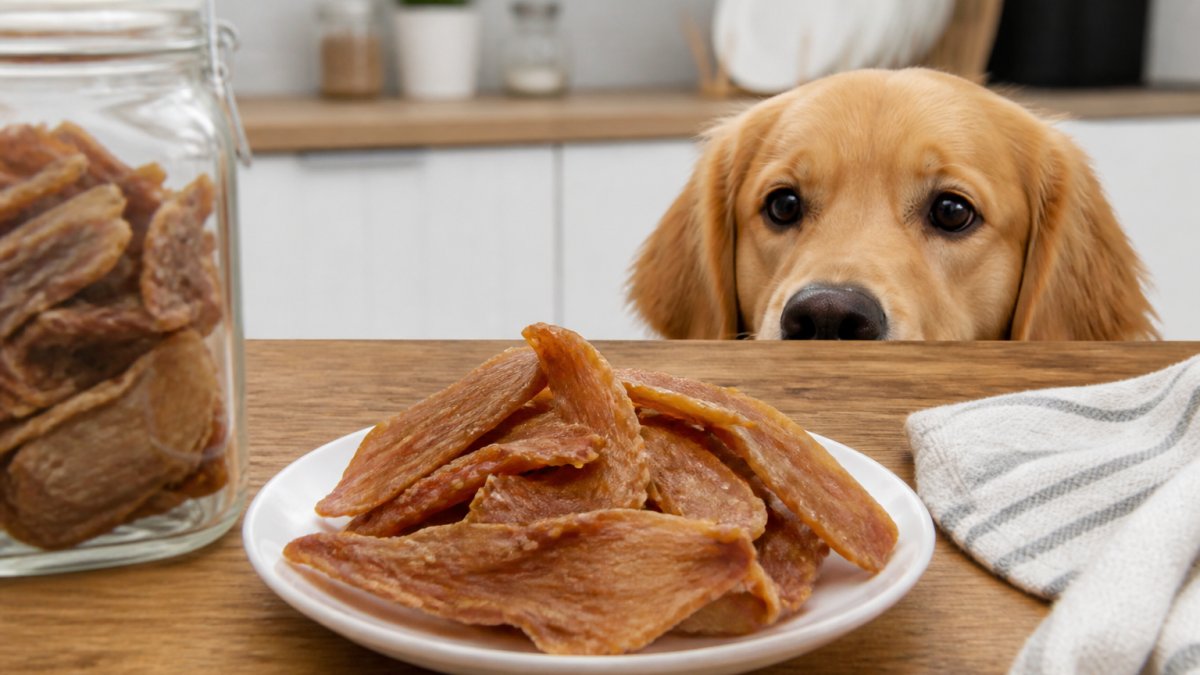
At Five Local Dogs, we built our treats around that exact standard: single-ingredient dehydrated chicken, hand-sliced in small batches, with no preservatives and no artificial coatings, sourced from farms in the U.S.
Frequently Asked Questions
What ingredients should I avoid in dog treats?
Avoid treats containing xylitol, chocolate, grapes, raisins, onions, and garlic, all of which are toxic to dogs. Also steer clear of artificial colors, flavors, BHA, BHT, propylene glycol, and excessive fillers like corn, wheat, and soy if your dog has sensitivities. Check labels for named meat sources rather than vague terms like 'meat by-products' or 'animal digest.' When in doubt, choose treats with short, recognizable ingredient lists.
How can I tell if a dog treat has safe ingredients?
Start by reading the ingredient list from top to bottom. The first few ingredients should be recognizable proteins or whole foods, not sugars, fillers, or unnamed by-products. Look for a guaranteed analysis and a statement of nutritional adequacy. Avoid anything with artificial preservatives like BHA or propylene glycol. If the label is vague or uses marketing buzzwords without specifics, treat that as a red flag and consider a simpler product.
Are single-ingredient dog treats safer for dogs with allergies?
Single-ingredient treats can be safer for dogs with food allergies because they limit exposure to potential triggers. If your dog reacts to common proteins like chicken or beef, a single-ingredient treat made from a novel protein or a limited ingredient recipe may help you isolate the problem. However, allergies can develop to any protein, so always introduce new treats one at a time and watch for symptoms like itching, paw licking, or digestive upset.
How can I check whether a pet treat has been recalled?
Visit the FDA's website and search their pet food recall database, or check the American Veterinary Medical Association's recall alerts. You can also sign up for email notifications from the FDA. If you suspect a treat you have is part of a recall, stop feeding it immediately, save the packaging and any remaining product, and contact the manufacturer or the FDA to report your experience. Keep a record of batch numbers for future reference.
What should I do if my dog has an allergic reaction to a treat?
If you notice mild symptoms like itching, hives, or stomach upset, stop feeding the treat and monitor your dog closely. For severe reactions such as swelling, difficulty breathing, or collapse, call your veterinarian or an emergency animal clinic immediately. Note the treat's ingredients and batch number. Your vet may recommend antihistamines or other treatment. Once your dog recovers, avoid that treat and consider an elimination diet to identify the specific allergen.
How many treats can I give my dog each day?
Treats should make up no more than 10% of your dog's daily calorie intake. The exact number depends on your dog's size, age, and activity level. For a small dog, one or two small treats may be plenty; larger dogs can have a few more. Always adjust your dog's main meals to account for treat calories to prevent weight gain. Use treats as rewards during training, and break them into smaller pieces to make them last longer.
SHOP

Comments