
Benefits of Hand Sliced Dog Treats for Picky Eaters

Updated: Sep 16
Table of Contents
Why Texture Matters: How Hand Sliced Dog Treats Win Over Picky Eaters
The Digestive Advantage of Single-Ingredient Dog Treats
Beyond Nutrition: The Benefits of Small Batch Dog Treats
Quality Control and Sourcing: The Ethical Edge
Portion Control and Caloric Density: A Practical Upside
Where to Buy Locally Made Dog Treats You Can Trust
Conclusion: A Simple Choice for a Healthier Bond
Frequently Asked Questions
Last Updated: September 9, 2026
Why Texture Matters: How Hand Sliced Dog Treats Win Over Picky Eaters
Every dog owner knows the frustration of watching a picky eater turn their nose up at a $15 bag of "premium" treats. The issue often isn't the flavor or the ingredients. It's the texture. When you switch to hand sliced dog treats, you are offering something fundamentally different from the uniform, machine-extruded kibble bits that dominate pet store shelves.
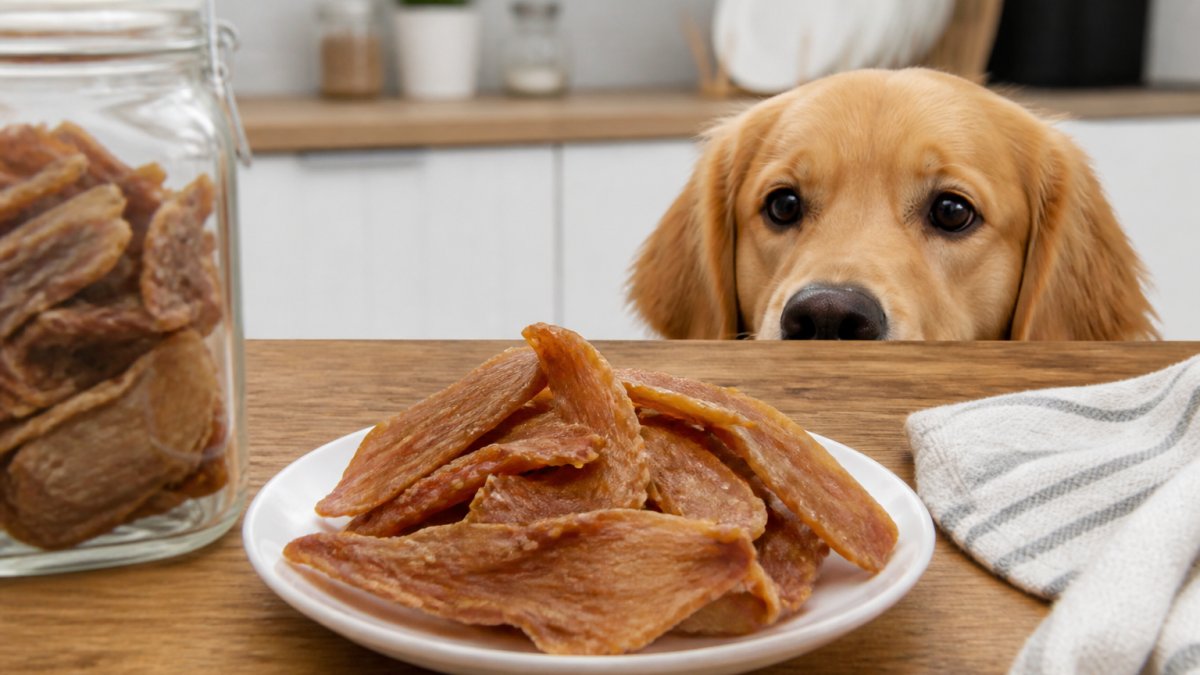
Hand sliced dog treats are exactly what they sound like: whole cuts of protein, sliced thin by hand rather than processed through a machine. This creates an irregular, meaty texture with a chewy consistency that dogs find highly palatable. The varied thickness also means each piece offers a slightly different chewing experience, which keeps selective eaters engaged. We have seen countless dogs reject processed snacks only to eagerly accept a simple, hand-sliced chicken strip. The aroma is more intense, and the texture mimics real meat rather than a processed biscuit.

The mechanical benefit here is substantial, and it goes deeper than most generic treat articles acknowledge. The physical act of slicing by hand, rather than forcing meat through a high-speed extruder, preserves the natural grain and fiber alignment of the muscle. When a dog bites into a hand-sliced strip, the blade has cut across the grain, creating short, manageable fibers that require actual tearing. This tearing motion is what provides the mechanical abrasion against the tooth surface, helping to reduce plaque and tartar buildup (avma.org). Machine-processed treats, by contrast, are often ground into a paste and re-formed under heat and pressure. That process destroys the natural fiber matrix, resulting in a treat that crumbles instantly upon the first bite, offering zero chewing resistance and no meaningful dental benefit.
Thickness also plays a role that most competitors overlook. A hand-sliced treat at 1/8-inch thickness offers a moderate chew that suits most adult dogs, while a thicker 1/4-inch slice provides a longer-lasting challenge for aggressive chewers. Because hand-slicing is inherently variable, a single batch yields a range of thicknesses, allowing you to select the right piece for the right moment, a thin sliver for a quick training reward, a thicker strip for a focused chewing session. This variability is a feature, not a flaw. It turns a simple snack into a mentally stimulating activity, as the dog must adjust its bite force and jaw angle to navigate each unique piece. For a picky eater, that novelty and engagement are often the difference between a sniff and a swallow.
Pro Tip To maximize the dental benefit, offer a thicker hand-sliced strip as a standalone activity rather than breaking it into small pieces. The sustained chewing motion is what drives plaque removal.
This is the mechanical advantage that generic 'natural treat' content misses: the process of hand-slicing directly influences the physics of chewing. It is not just about what is in the treat, but how the treat is constructed that determines its value for your dog's oral health and mental engagement.
The Digestive Advantage of Single-Ingredient Dog Treats
Digestive health starts with simplicity. Single-ingredient dog treats eliminate the guesswork when your dog has a sensitive stomach. If a treat contains only one protein source, you know exactly what your dog is ingesting, making it far easier to identify triggers for food sensitivities or allergies.
Many mass-market treats contain a cocktail of grains, fillers, artificial preservatives, and synthetic coatings that can wreak havoc on gut health. A dog with a sensitive stomach often reacts to these additives, not the primary protein. By offering a treat that is 100% chicken, you provide a hypoallergenic option that is gentle on the digestive tract (veterinarypartner.vin.com). This is particularly crucial for dogs with diagnosed food allergies, where a limited-ingredient diet is the standard recommendation from veterinarians.
Furthermore, the dehydration process used for hand-sliced treats preserves the nutritional profile of the meat without the need for chemical preservation. This keeps the protein source highly bioavailable, meaning your dog's body can actually absorb and use the nutrients efficiently, supporting immune support and metabolic health without the caloric baggage of fillers.
Beyond Nutrition: The Benefits of Small Batch Dog Treats
Nutrition is only half the story. The benefits of small batch dog treats extend to consistency and freshness, which directly impact palatability. When treats are made in small batches, they are typically dehydrated shortly after preparation, locking in freshness that mass-produced items, which may sit in warehouses for months, simply cannot match.
Small-batch production allows for greater texture variety and quality control. Each batch is monitored closely, ensuring the meat is sliced to the ideal thickness for chewing and dehydrated to the perfect level of crunch or chewiness. This attention to detail results in a superior product that picky eaters can sense. There is a tangible difference between a treat that was made last week and one that was manufactured six months ago.
Pro Tip When evaluating treats, check for a "packaged on" or "best by" date that is recent. A truly fresh, small-batch treat often has a shorter shelf life than commercial kibble, which is a sign that it lacks the artificial preservatives that extend shelf life indefinitely.
This process also supports better portion control. Because the treats are dense, nutrient-rich meat rather than puffed starches, a small piece goes a long way. You can reward your dog frequently during training sessions without significantly impacting their daily caloric intake.
Quality Control and Sourcing: The Ethical Edge
The question of where your dog's food comes from is no longer a niche concern. Sourcing and ethical transparency have become deciding factors for health-conscious owners. When you choose treats made with 100% U.S.-sourced chicken, you are reducing the risk of exposure to foreign contaminants and ensuring that the protein meets stricter domestic safety standards. But 'U.S.-sourced' alone is not enough. The deeper question, one that most treat articles never ask, is whether the meat is human-grade or feed-grade.
This distinction matters more than most owners realize. The Association of American Feed Control Officials (AAFCO) defines feed-grade ingredients as those suitable for animal consumption, but that definition allows for meat that would not pass inspection for human consumption, including parts from animals that died otherwise than by slaughter, or meat that has been deemed unfit for human tables due to contamination risk (aafco.org). Human-grade, by contrast, means every ingredient in the product is edible and safe for human consumption, and the facility meets U.S. Department of Agriculture (USDA) standards for human food processing. When a producer labels a treat as 'human-grade,' they are subject to a higher bar of inspection and cleanliness. This is not a marketing gimmick; it is a verifiable regulatory distinction.
How can you verify this claim as a consumer? Look for explicit language on the packaging or the producer's website. A brand that uses human-grade chicken will typically state that its facility is USDA-inspected and that the product is made in a facility that processes human food. If the label only says 'natural' or 'premium,' it is likely feed-grade. You can also ask the producer directly: 'Is your chicken human-grade, and can you provide your USDA facility number?' A transparent small-batch producer will answer without hesitation. A brand that hesitates or deflects is often hiding a feed-grade supply chain.
Hand-sliced production inherently requires more human oversight than a fully automated line. This human element means that each piece is visually inspected, and any sinew, gristle, or undesirable fat can be removed before dehydration. This level of quality control is difficult to achieve on a high-speed machine line where speed is prioritized over inspection. A human eye catching a piece of cartilage before it reaches the dehydrator is a quality checkpoint that no automated optical sensor can fully replicate, especially when dealing with the natural variation of whole-muscle meat.
Watch Out Be cautious of treats labeled 'made with human-grade chicken.' This phrasing can be misleading, it may mean only a small percentage of the recipe contains human-grade meat, while the rest is feed-grade. Look for '100% human-grade' or a single-ingredient label that leaves no room for dilution.
Many dog owners are also turning away from factory farming practices. Choosing a provider that emphasizes small-batch, transparent sourcing supports a more ethical food system. It offers peace of mind, knowing that the treat you are feeding your furry family member aligns with your values regarding animal welfare and food safety. This transparency builds trust, which is the foundation of a strong human-animal bond. When you can trace a treat back to a specific U.S. farm and confirm it meets human-consumption standards, you are not just buying a snack, you are making a deliberate choice about the quality and ethics of your dog's nutrition.
Portion Control and Caloric Density: A Practical Upside
A common mistake with training treats is overfeeding. Many commercial treats are high in calories due to added sugars, fats, and starches used as binding agents. Hand sliced dog treats, being pure protein, offer a higher nutrient density per calorie, but they also require mindful portioning because they are not puffed up with air.
Because these treats are dense, a single strip can often be broken into several small pieces, providing multiple high-value rewards during a training session without exceeding your dog's daily caloric budget. This makes them ideal for positive reinforcement training, where you might need to deliver dozens of rewards in a single session.
Compare this to soft, chewy commercial treats that often contain propylene glycol or high-fructose corn syrup to maintain texture. These additives contribute empty calories and can lead to weight gain over time. By switching to a pure meat treat, you gain better control over your dog's weight and overall metabolic health, ensuring that treat time doesn't undermine their regular diet.
Where to Buy Locally Made Dog Treats You Can Trust
Finding a reliable source for where to buy locally made dog treats requires looking beyond the big-box pet stores. The best options are often small businesses that prioritize ingredient integrity over mass distribution. When searching, look for producers who are transparent about their sourcing and manufacturing processes.
A trustworthy local producer will clearly state that their products are made in the U.S. and will often be able to tell you exactly which farm their chicken came from. They should be willing to answer questions about their dehydration process and shelf life. If you have a dog with severe allergies, ask about cross-contamination protocols to ensure the facility is safe for your pet.
Watch Out Be wary of treats that look "too perfect." Uniform shapes and identical sizes often indicate heavy machine processing, which can involve high heat that degrades nutrients. Look for slight variations in size and color, which are hallmarks of genuine hand-slicing.
For those in the Plymouth, MA area, Five Local Dogs offers exactly this level of transparency. Our hand sliced dog treats are crafted in small batches, using 100% U.S.-sourced chicken, free from preservatives and artificial coatings. We prioritize your dog's health by ensuring every batch is fresh and consistent, offering a wholesome alternative to processed snacks.
Conclusion: A Simple Choice for a Healthier Bond
Choosing the right treat is about more than just filling a craving; it is an expression of care for your dog's long-term well-being. The benefits of hand sliced dog treats, from superior texture for picky eaters to digestive safety and ethical sourcing, make them a superior choice over mass-produced alternatives. By focusing on single ingredients and small-batch production, you support your dog's dental health, digestive health, and overall happiness.
Making the switch is a simple step that yields significant rewards in your dog's vitality and the trust you share. We are committed to providing the freshest, highest-quality treats you can feel confident feeding your furry family members. Browse our selection of hand-sliced chicken treats today and experience the difference of a product made with genuine care.
Frequently Asked Questions
Are single-ingredient treats better for dogs with allergies?
Yes. A single-ingredient treat, like 100% chicken, minimizes the variables that can trigger a reaction. With only one protein source, it is easier to identify the culprit if a flare-up occurs. This makes them a safer choice for dogs with known food sensitivities or those on a limited-ingredient diet.
How do hand sliced treats compare to machine-processed snacks?
The main difference lies in texture and quality control. Machine-processed snacks are often compressed to a uniform shape, which can make them hard and less appealing to picky dogs. Hand-sliced strips have a varied, meaty texture that is more palatable and easier to chew. The manual process also allows for closer inspection of each piece, helping to ensure a consistent quality that mass production misses.
What makes hand sliced dog treats healthier than mass-produced options?
Hand sliced dog treats are typically made from whole, recognizable meat with no artificial preservatives, fillers, or coatings. Mass-produced options often rely on these additives to extend shelf life and enhance flavor. The hand-sliced approach, especially in small batches, preserves the natural nutritional profile of the meat and reduces the risk of contamination, offering a cleaner snack for your dog.
We understand that finding a treat your picky dog loves can feel like a challenge. We believe that a return to simple, honest ingredients is the answer. Explore our small-batch, single-ingredient treats and see how a wholesome snack strengthens the bond with your dog. Shop our hand-sliced treats today and give your dog the quality they deserve.
SHOP

Comments